Did you know that the forests made famous in The Forest of A Thousand Demons and The Forest of God truly exist?
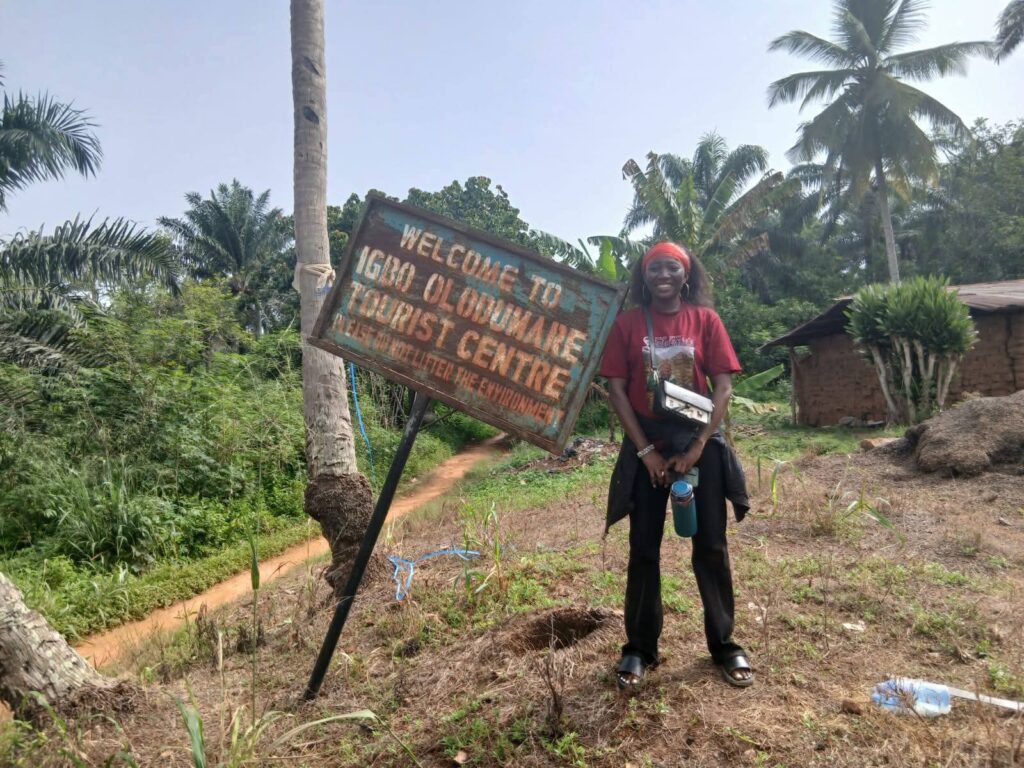
Yes, they do and I recently had the opportunity to explore one of Nigeria’s most fascinating yet least-visited cultural and literary tourism destinations: Igbo Eledumare in Oke-Igbo, Ondo State.
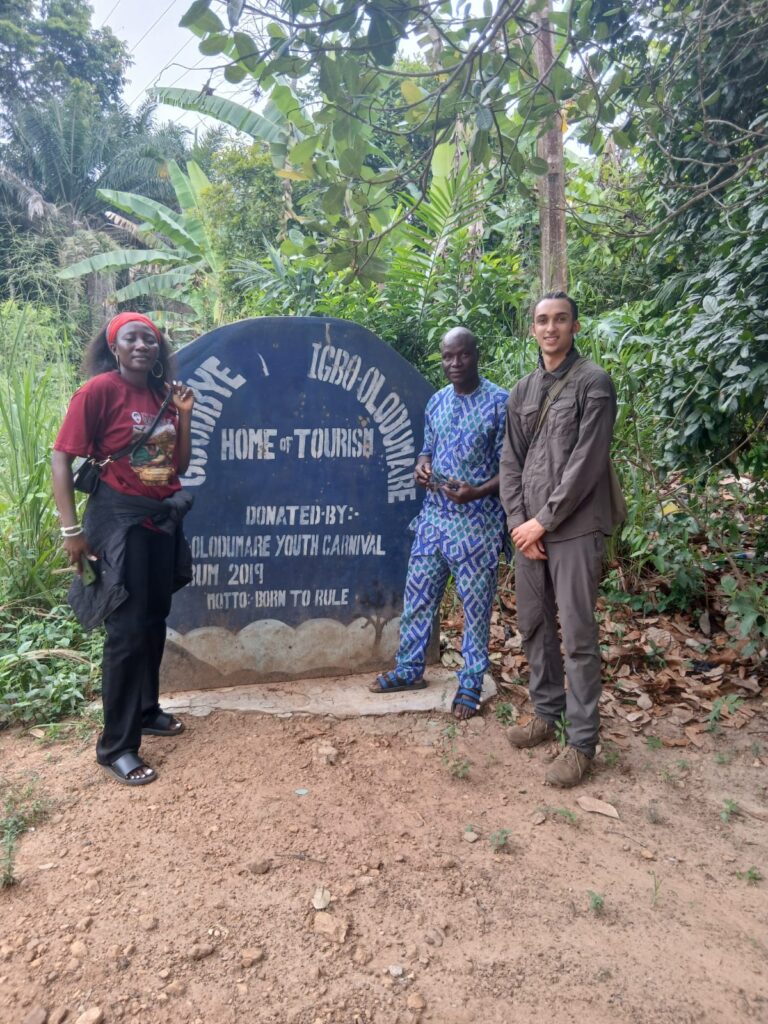
For many lovers of African literature, D.O. Fagunwa’s Ògbójú Ọdẹ nínú Igbó Irúnmọlẹ̀ is a familiar masterpiece. Widely regarded as the first novel written in the Yorùbá language and one of the earliest novels written in any African language, it was later translated into English by Nobel Laureate Wole Soyinka as The Forest of A Thousand Demons. Fagunwa’s other notable works include Igbó Olódùmarè (The Forest of God), Ìrèké Oníbùdó, Ìrìnkèrindó nínú Igbó Elégbèje, and Àdììtú Olódùmarè.
Access to the forest is highly restricted. Visitors are not permitted entry without proper authorization, and activities such as tree felling and hunting are strictly forbidden. Once every year, a select group from the community ascends the mountain to celebrate Igbo Olodumare, honoring the mysteries and ancestral spirits believed to have protected the land for generations.
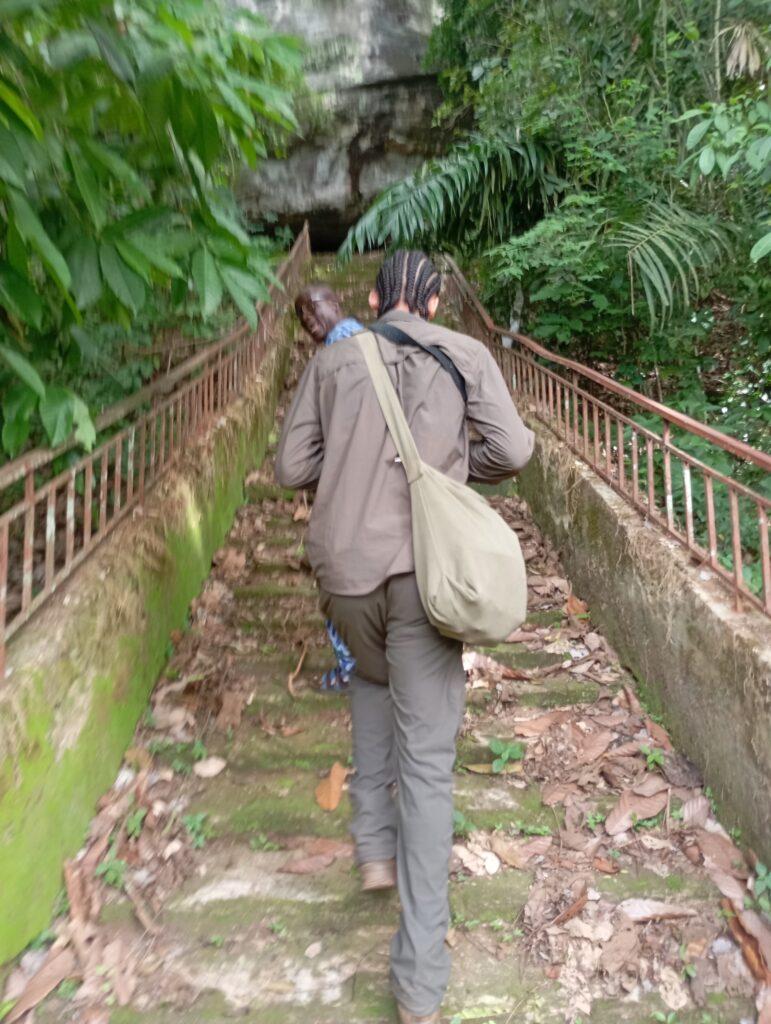
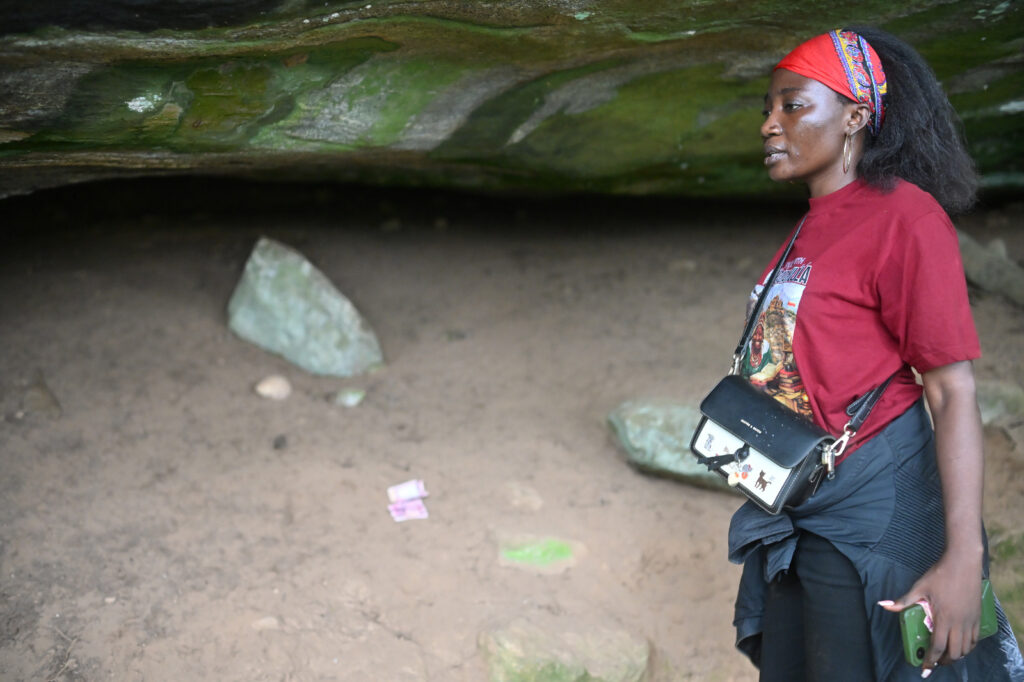
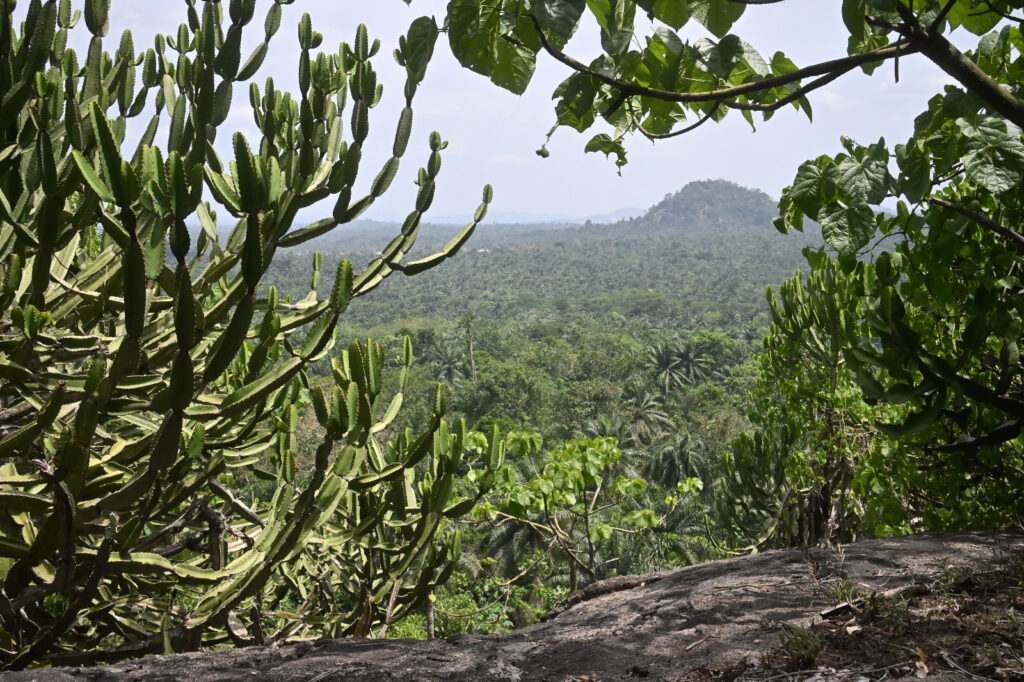
Ascending 73 steps brings one into the heart of Igbo Eledumare, where Apata Adimula is found, a sacred rock formation where prayers are offered. Oral tradition holds that this spot was also a meeting place for the Akoni Meje (the Seven Elders): Akara Ogun, Efoye, Imodoye, Kako, Elegbede Ode, Olohun Iyo, and Osofisan, who gathered to deliberate and resolve communal matters. Hiking the Oke langbodo was also one of the Adventure part of Igbo Eledumare
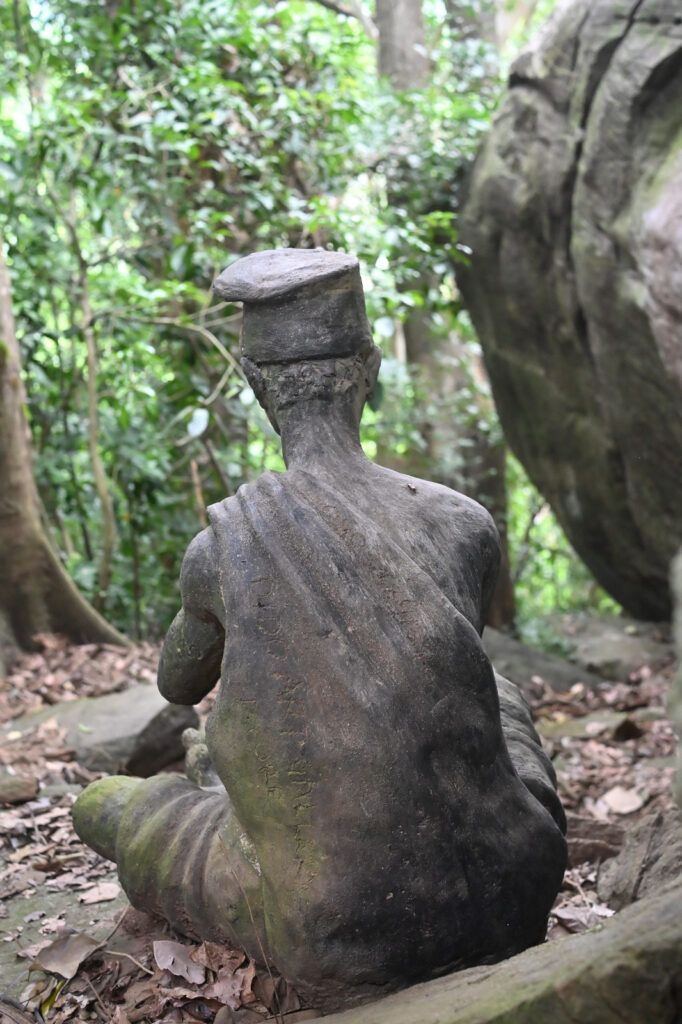
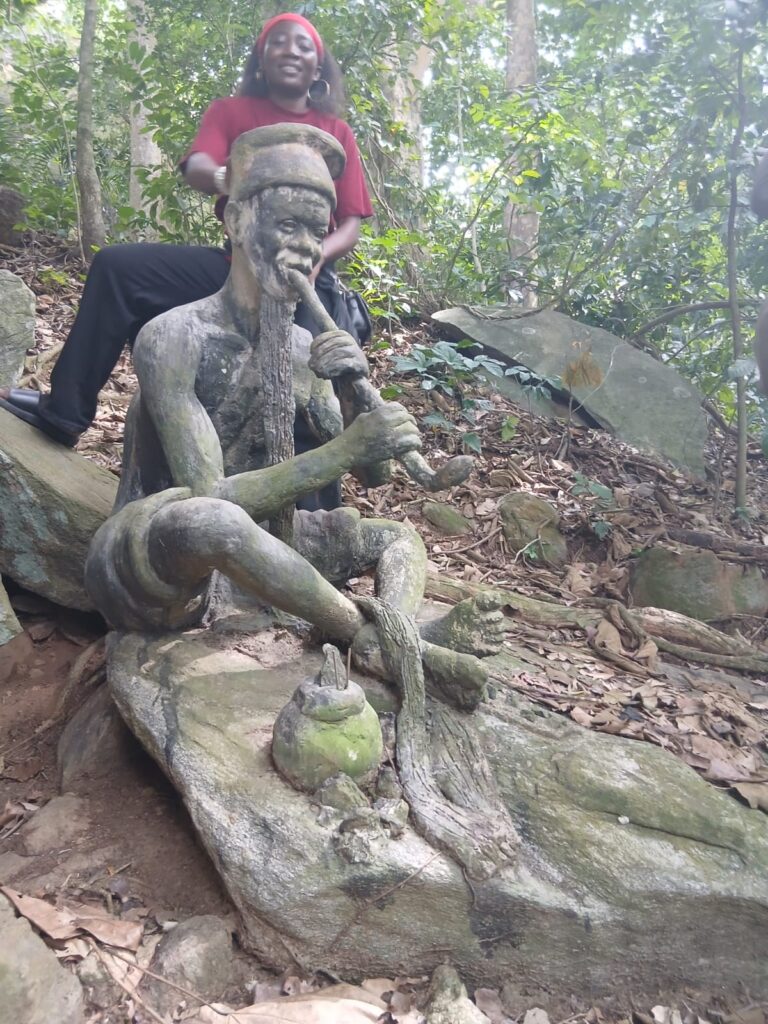
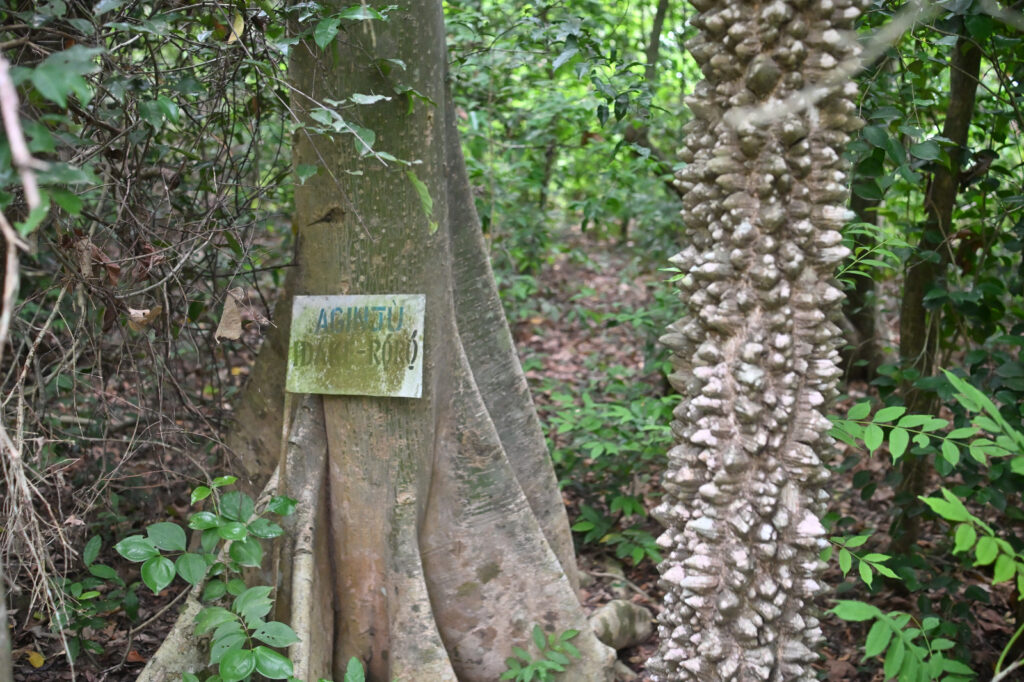
Another notable presence is Baba Onirungbo Yeuke, the bearded figure often associated with a flute, whose story forms part of the forest’s spiritual lore. Deeper within the forest lies Ile Ejola Ibinu, believed to be the dwelling place of a giant python said to possess a human head. According to legend, the creature emerges once a year in August, heralded by a rainbow as a warning sign of its presence. During this period, entry into the forest is strictly prohibited.
It is also important to note that goat rearing is forbidden within Igbo Olodumare, in keeping with longstanding cultural and spiritual traditions.
What many people don’t realize is that the mystical forests, spiritual encounters, hunters’ adventures, and folklore that shaped Fagunwa’s stories were inspired by real landscapes, traditions, and beliefs deeply rooted in Yorùbá culture. One of those places is Igbo Eledumare, a sacred forest tucked away in Oke-Igbo, Ondo State.
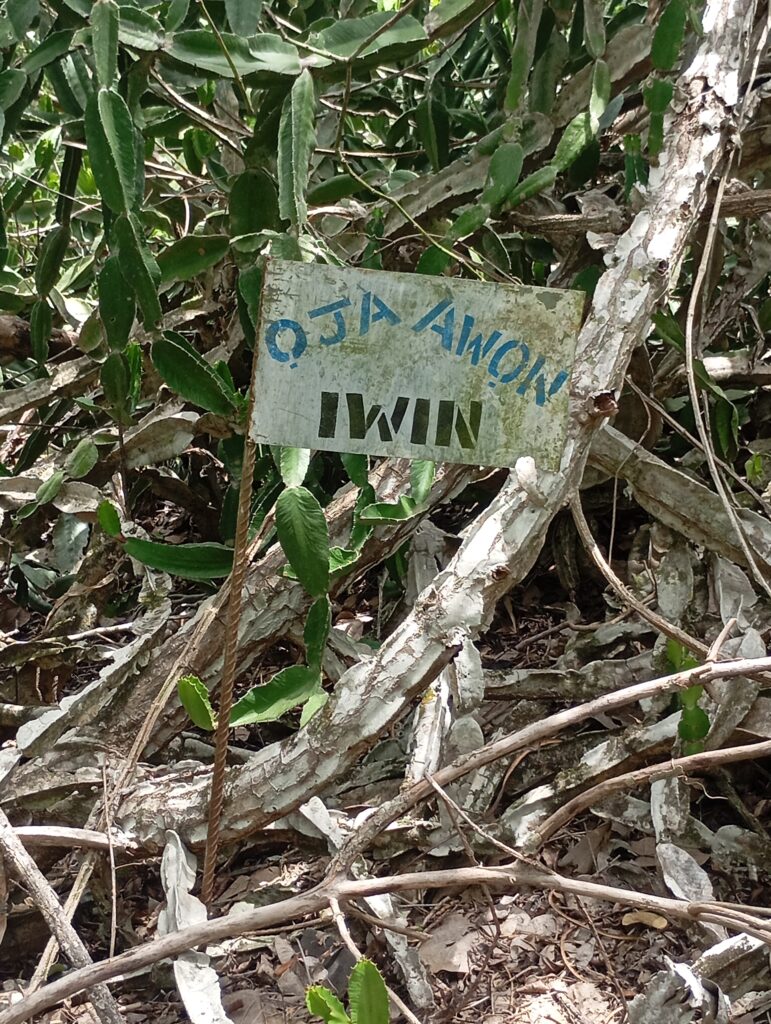
As someone who has spent over eight years exploring Nigeria’s cultural, historical, and natural attractions, visiting Igbo Eledumare felt like stepping into the pages of a living storybook. Unlike popular tourist sites that receive regular crowds, this destination remains largely undiscovered by mainstream travelers. The journey itself was an adventure.
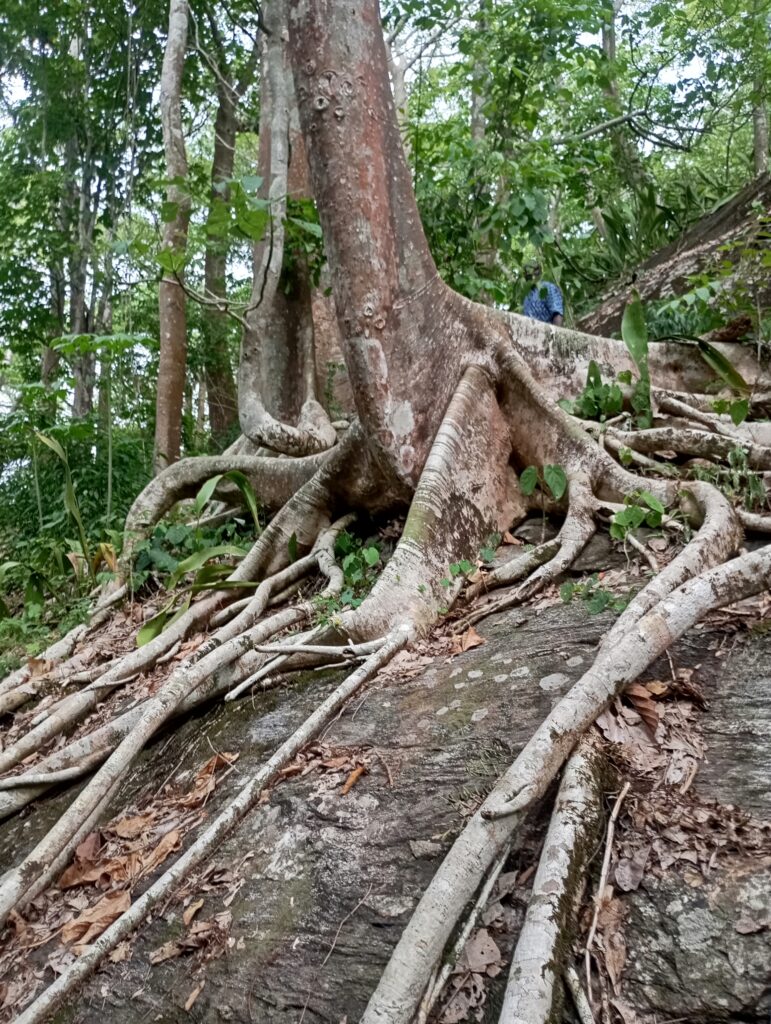
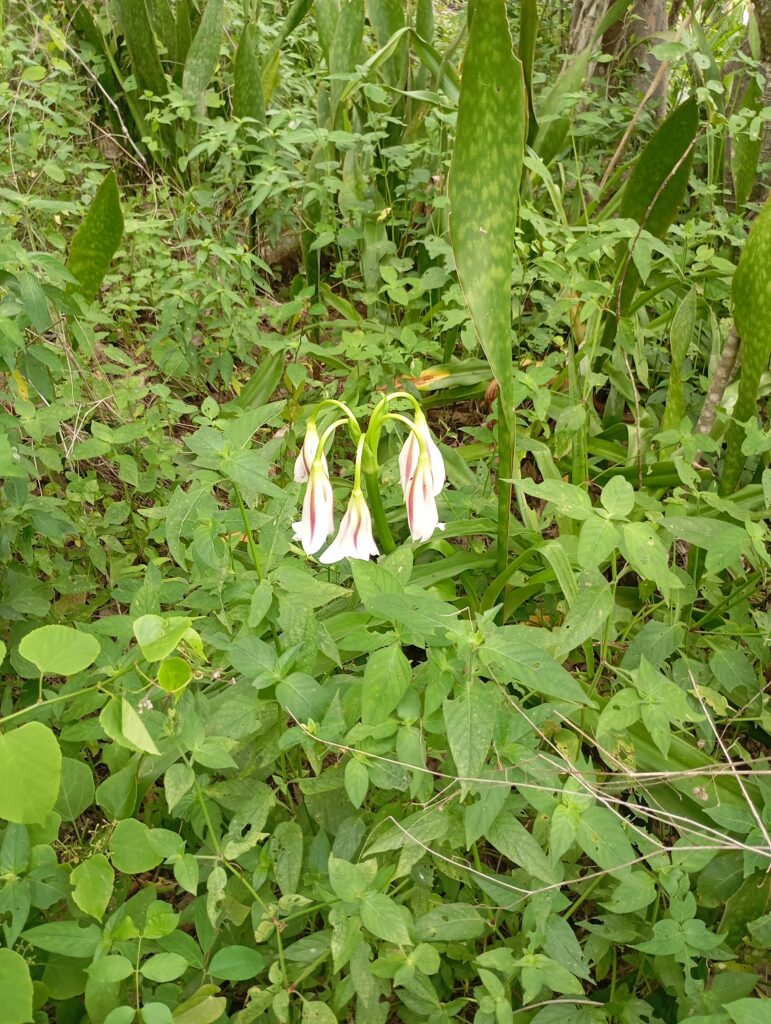
The trail through the forest was challenging, with sections overtaken by thick vegetation and untamed bush. Every step reminded me that this was not a commercialized attraction but a place where nature, history, and spirituality have been preserved in their raw form. The rugged terrain required patience and determination, but the experience was well worth the effort.
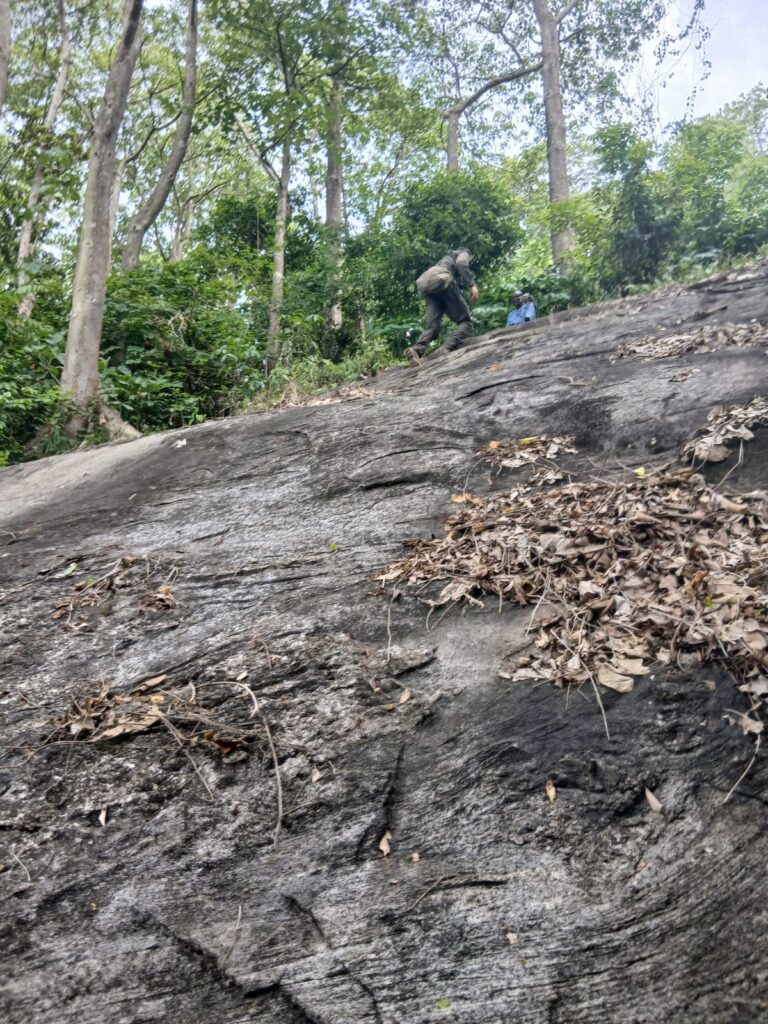
One of the highlights of the journey was interacting with local guides and community custodians who shared fascinating stories about the forest’s history, spiritual significance, and cultural importance. Through their narratives, the forest transformed from a physical location into a living archive of Yorùbá traditions, beliefs, and folklore that have survived for generations.
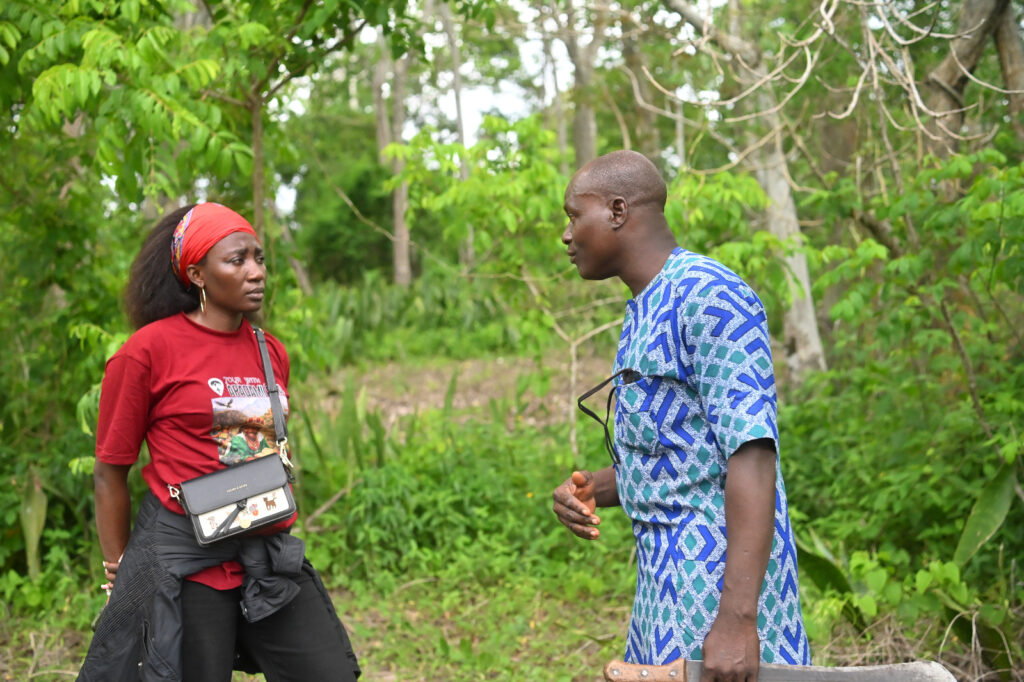
What makes Igbo Eledumare special is the way it blends literary history, cultural heritage, spirituality, and eco-tourism into a single experience. Throughout the exploration, I encountered unique cultural landmarks, sacred spaces, and symbolic features that reflect the traditions and worldview of the people who have protected this forest for centuries.
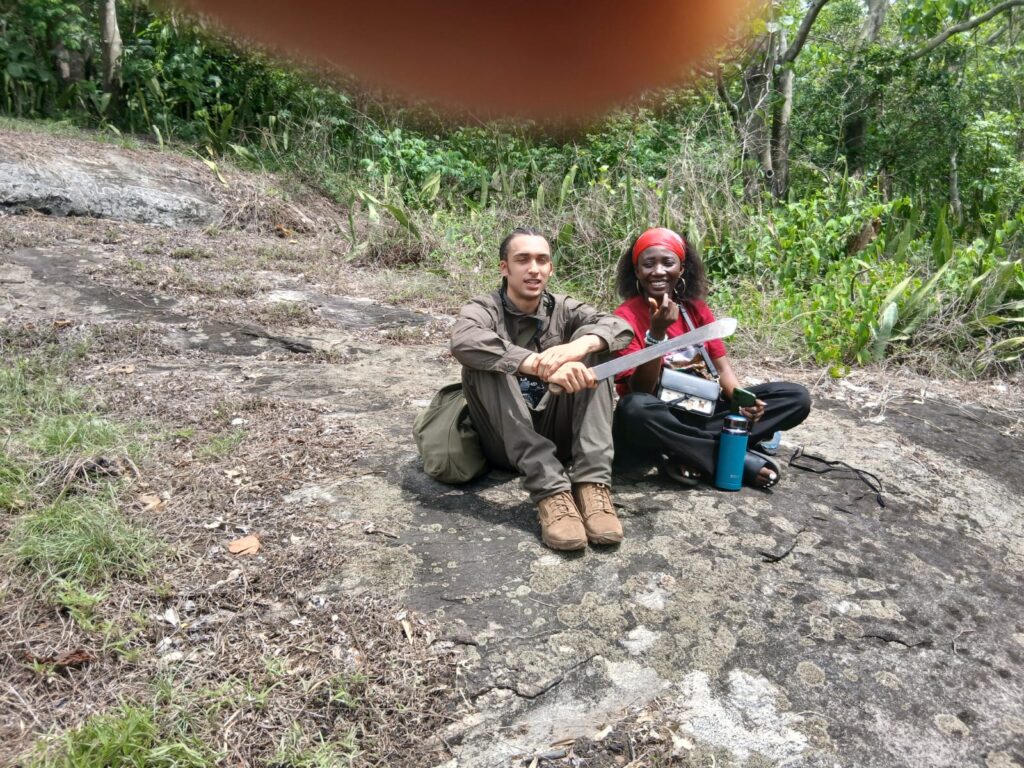
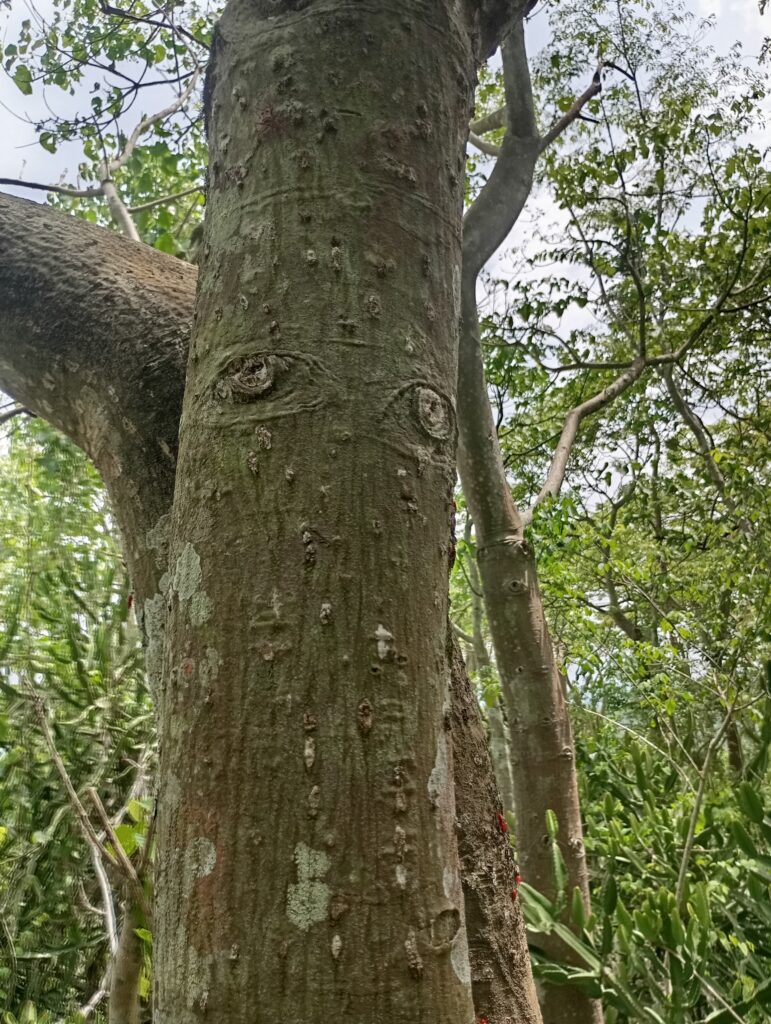
In between my writing, I have share some of these remarkable cultural and spiritual sites, offering a visual journey into a destination where literature, folklore, history, and reality meet.
If you are interested in hidden tourist attractions in Nigeria, cultural tourism, Yorùbá heritage, or the literary legacy of D.O. Fagunwa, then Igbo Eledumare deserves a place on your travel list.
Welcome to my journey into Igbo Eledumare, the real-life forest behind some of Africa’s most iconic stories.
For a curated group tour or a personal tour guiding you can reach us through the links below 👇
https://www.linkedin.com/in/friday-%C3%A0radamilola-morenikeji-965912201
https://www.instagram.com/tour_with_aradamilola?igsh=enl1YmYwNGs0Mnl6