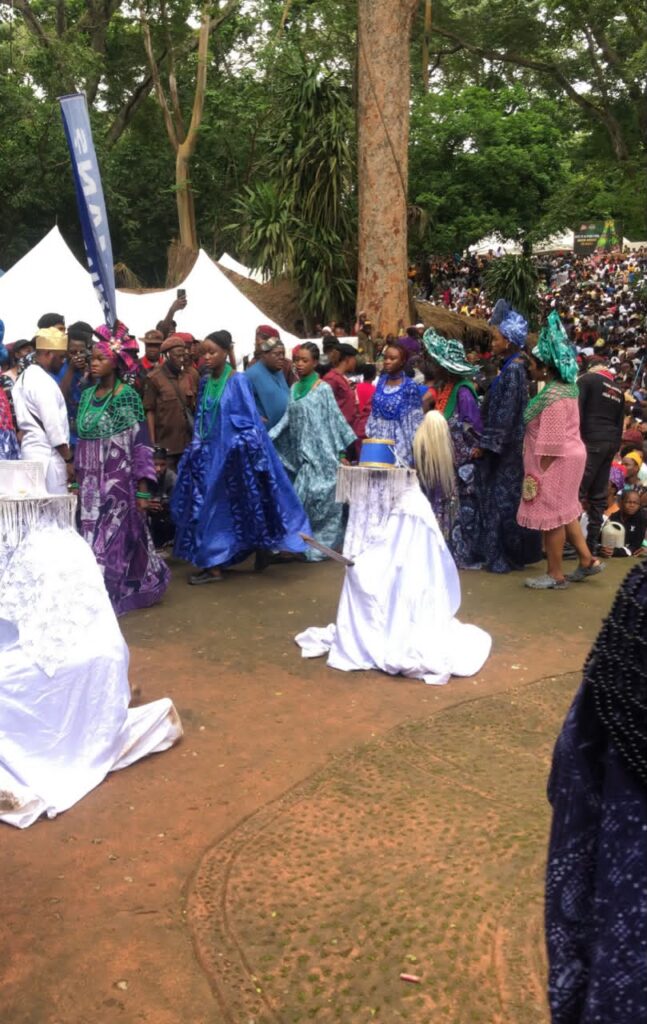
Discover why the Nike Art Dance Troupe from Lagos performed the Eyo Dance at the Osun-Osogbo Festival and learn about cultural exchange, Yoruba heritage and cultural tourism in Nigeria.
What Is Adamu Olorisa Doing in Osun?
A comment recently appeared under a video I shared of the Nike Art Dance Troupe performing at the Osun-Osogbo Festival:
“What is Adamu Olorisa doing in Osun?”
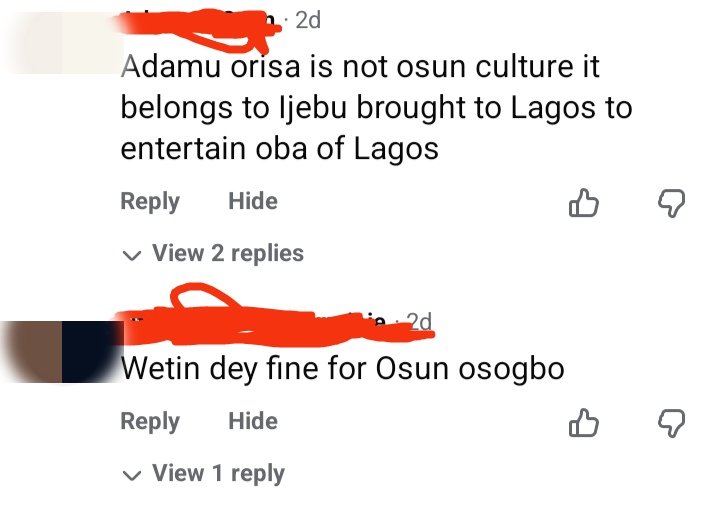
Rather than seeing the question simply as a criticism, I see it as an opportunity to educate ourselves about cultural awareness, cultural exchange and the relationship between culture and tourism in Nigeria.
This is an important question.
The question also brings us to an important point:
Does culture stop at the boundary of a state?
The answer is no.
Culture travels. People travel. Artists travel. Traditions interact. Festivals bring different cultural expressions together.
This is where inter-state cultural awareness becomes important.
What Is Cultural Awareness?
Cultural awareness is the ability to understand, recognise, appreciate and respect the traditions, beliefs, values, customs, artistic expressions and ways of life of people from different cultural backgrounds.
In the Nigerian context, inter-state cultural awareness means developing an understanding and appreciation of cultural practices beyond our immediate communities or states.
It encourages us to learn about the festivals, dances, music, crafts, food, indigenous knowledge, histories and heritage of other Nigerian communities
For example, someone who grew up in Lagos may not know everything about the cultural traditions of Osun. Likewise, someone from Osun may not be familiar with every cultural expression associated with Lagos.
Cultural awareness creates an opportunity for both people to learn from each other rather than remain within the limits of what they already know.
What Is Cultural Exchange?
Cultural exchange is the process through which people and communities from different cultural backgrounds share, experience and learn from one another’s traditions, knowledge, artistic expressions and ways of life.
Cultural exchange can happen through festivals, tourism, dance, music, art exhibitions, traditional crafts, food, education and community interaction.
This is exactly why the presence of the Nike Art Dance Troupe from Lagos at the Osun-Osogbo Festival is significant.
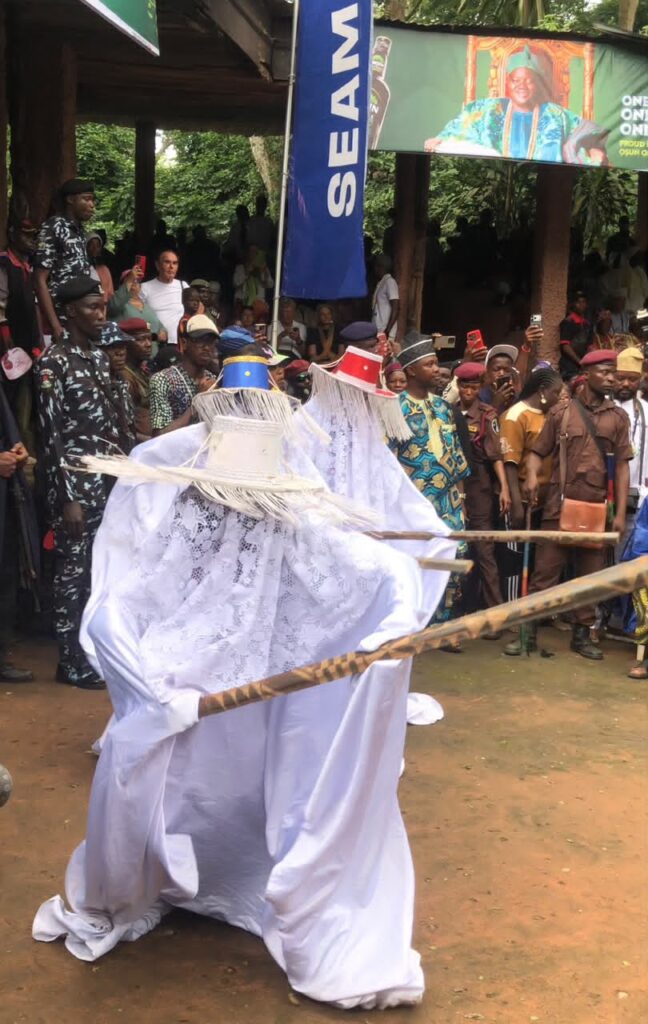
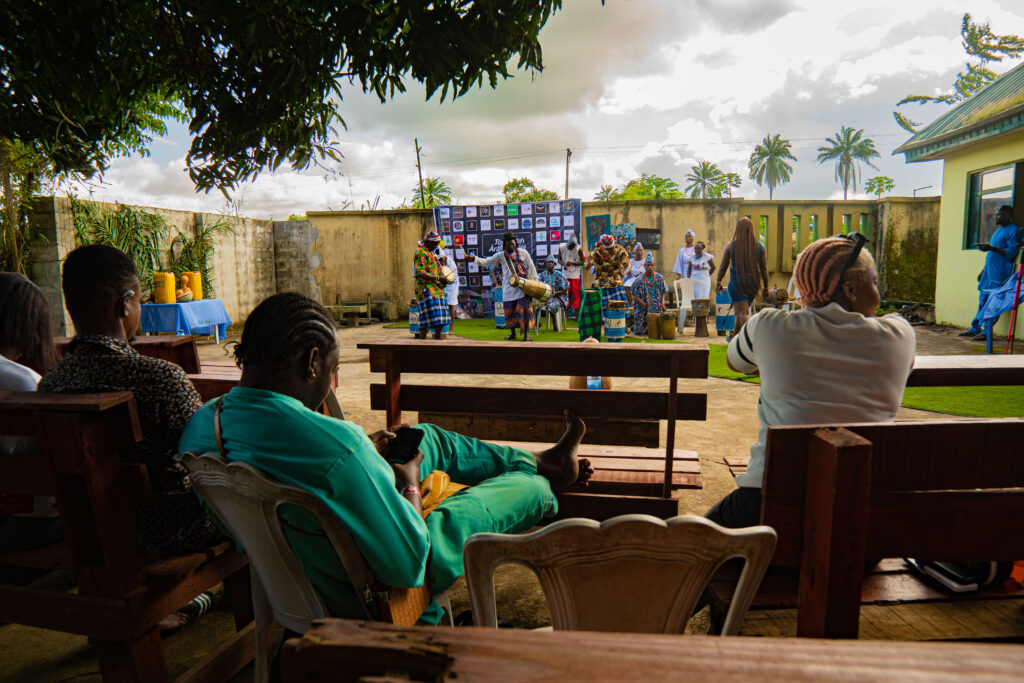
The troupe brought a cultural performance associated with Lagos into a major cultural gathering in Osun. Their performance of the Eyo Dance provided an opportunity for audiences to experience another Nigerian cultural expression.
Eyo itself travelled from Epe to Iperu, then to Lagos to become a significant cultural signature of Lagos. Yet, it is quite important to mention that at the centre of Yoruba cultural or oracular religion is Ifa. It is such that, Eyo play, either for honouring a figure or to appease the land, like Osun votary carriage, cannot take place without Ifa divinity. The interconnected string that strum the Yoruba religious chord in one place means that none of the deity came alone. Their interconnected character has proved the colonial polytheistic placement wrong.
In Yoruba religion, irrespective of the deity a devotee chooses, it is one supreme being. One Olodumare. One journey with multiple destinations.
Who Is Nike Davies-Okundaye?
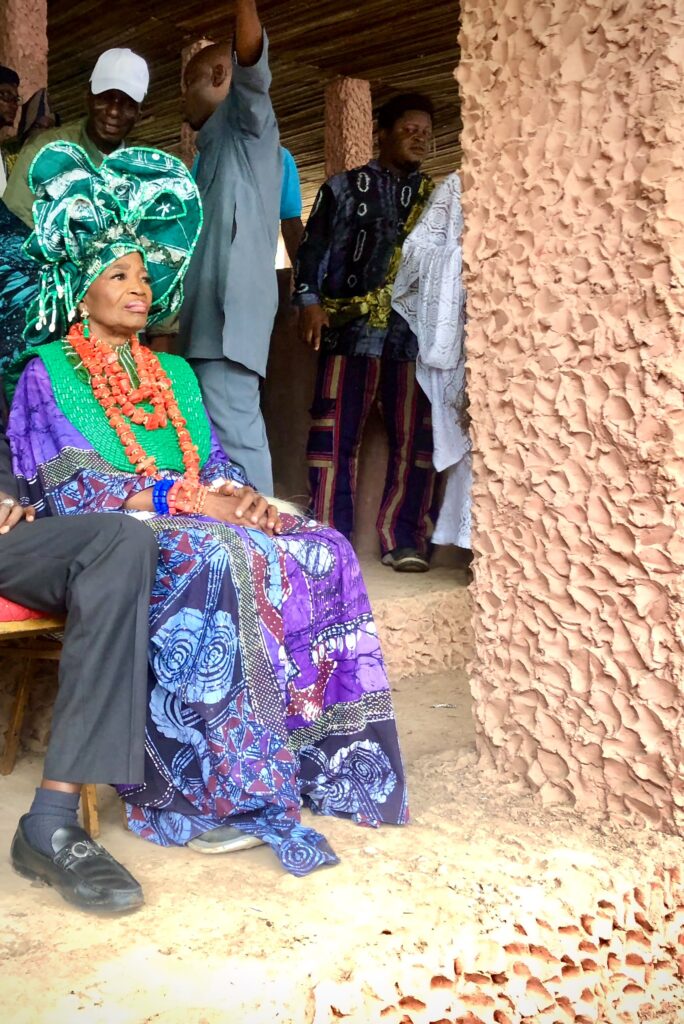
Nike Davies-Okundaye, popularly known as Mama Nike, is a renowned Nigerian artist and cultural advocate whose work has contributed greatly to the promotion of Nigerian cultural heritage.
She is widely associated with Adire textile, traditional crafts, visual arts, cultural education and artistic performances. Through her artistic activities, galleries and cultural initiatives, she has created platforms through which people can experience and learn about Nigerian heritage.
Although she is Lagos-based, her cultural work is not limited to Lagos.
And this is an important lesson.Being based in one state does not mean that your cultural contribution must remain within that state.Artists, cultural practitioners and heritage organisations can travel across Nigeria to share knowledge, participate in festivals and create opportunities for cultural interaction.
Nike Art Dance Troupe at the Osun-Osogbo Festival
During the recently concluded Osun-Osogbo Festival, Mama Nike was present with the Nike Art Dance Troupe from Lagos, and the troupe performed the Eyo Dance.
For someone who does not understand the nature of cultural exchange, seeing an Eyo performance at an Osun festival may raise questions.
But rather than asking only, “What are they doing here?”, we should also ask:
What can we learn from their presence here?
”What is the history of the Eyo Dance?
What does the costume represent?
How has the tradition developed?
What similarities exist between different Yoruba cultural expressions?
How can performances such as this contribute to cultural education?
These questions turn a cultural performance into an opportunity for learning.
Should Culture Be Restricted by State Boundaries?
This is an important question.
Nigeria’s modern state boundaries do not completely define the historical relationships between its peoples and cultures.
Cultural traditions have moved through migration, trade, marriage, festivals, artistic interaction and other forms of social contact.Of course, cultural communities have the right to protect, define and preserve their heritage.
However, cultural appreciation does not mean that traditions must remain isolated.Responsible cultural exchange allows people to experience other traditions while respecting their origins, meanings, custodians and cultural significance.Therefore, the presence of the Nike Art Dance Troupe in Osun does not erase Osun’s cultural identity.
Instead, it creates an opportunity for another cultural expression to be experienced within a different cultural environment.
Why Cultural Exchange Matters
Cultural exchange is important because it creates opportunities for people to understand one another.
A dance can communicate history.
A costume can communicate identity.
A traditional song can preserve memory.
A craft can carry indigenous knowledge.
A festival can bring communities together.
This is why Nigerian cultural festivals should not be seen only as entertainment.They can also serve as platforms for cultural education, heritage preservation, community interaction and tourism development.
Cultural Tourism Is More Than Sightseeing
This is where cultural tourism in Nigeria becomes important.
Tourism is often associated with visiting beautiful destinations, taking photographs and enjoying recreational activities.
But cultural tourism goes much deeper.
It allows people to experience:
- Traditional festivals
- Indigenous dances
- Traditional crafts
- Local cuisine
- Museums and galleries
- Historic sites
- Indigenous knowledge
- Music and storytelling
- Community traditions.
When people travel to experience the Osun-Osogbo Festival, they are not simply visiting a destination.
They are encountering a living cultural heritage.
They are learning.
They are asking questions.
They are interacting with people.
And they are developing a deeper appreciation of Nigeria’s cultural diversity.
The Role of Cultural Tourism in Connecting Nigeria
Cultural tourism can encourage Nigerians to explore cultural heritage beyond their immediate communities.
Someone can travel from Lagos to Osun.
From Ogun to Oyo.
From Ekiti to Ondo.
From Kogi to Kwara.
And from one part of Nigeria to another.
Through these journeys, people encounter different traditions and begin to understand that our diversity does not have to divide us.
It can become a bridge.
A bridge between communities.A bridge between generations.
A bridge between states.
And a bridge between Nigeria’s past and present.
From “What Are They Doing Here?” to “What Can We Learn?”
Perhaps the greatest lesson from the original comment is that we should become more curious about our cultural heritage.
Instead of immediately questioning why a cultural group is present in another state, we can ask:
What cultural exchange is taking place?
What can the audience learn?
What stories are being shared?
What connections exist between these cultural expressions?
Culture Travels. Heritage Connects.
The appearance of the Nike Art Dance Troupe from Lagos at the Osun-Osogbo Festival reminds us that culture is not static.
Our artists travel.
Our traditions interact.
Our festivals create meeting points.
And tourism gives people opportunities to experience these connections.
So, the next time you see a cultural troupe performing outside its home state, don’t only ask:“What are they doing here?”
Ask:
“What can we learn from this cultural exchange?”
Because when we travel beyond our own communities, we do not only discover places.
We discover people.
We discover stories.
We discover traditions.
And sometimes, we discover just how connected our cultures really are.
Final Thoughts
Cultural awareness and cultural exchange are essential to the appreciation, preservation and promotion of Nigerian cultural heritage.
The Osun-Osogbo Festival, the Nike Art Dance Troupe, the Eyo Dance, Adire, traditional arts and other cultural expressions all contribute to a larger conversation about how Nigerians can learn from one another while preserving the uniqueness of their individual cultural identities.
Our states may have geographical boundaries, but our cultural heritage has always travelled beyond them.
Culture travels. Heritage connects. Tourism creates the meeting point.
Written by Professor Akintunde and Àràdámilólá
The Osun-Osogbo Festival is one of the world’s most celebrated cultural festivals and one of Nigeria’s greatest cultural tourism attractions. Held annually in Osogbo, Osun State, the festival attracts thousands of pilgrims, tourists, researchers, photographers, and culture enthusiasts from across the globe.
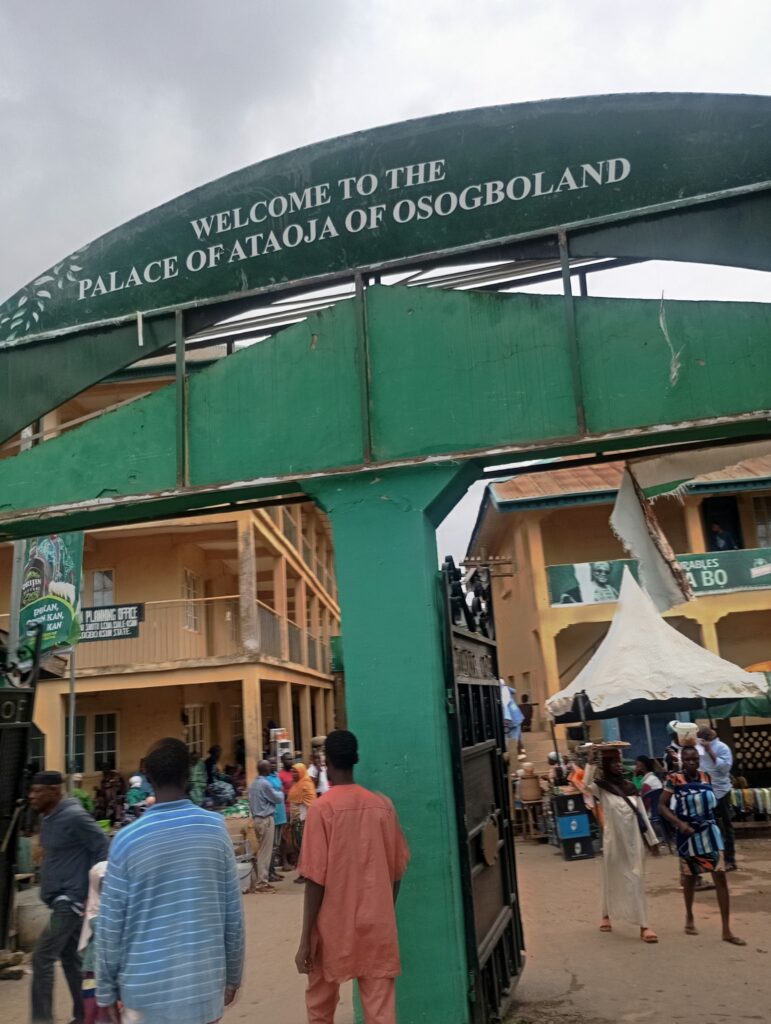

The festival celebrates the sacred bond between the Yoruba people and Osun, the revered goddess of fertility, healing, prosperity, and purity. Through traditional rites, spiritual processions, music, dance, art, and cultural performances, the Osun-Osogbo Festival preserves centuries-old Yoruba traditions while promoting cultural exchange and sustainable tourism.
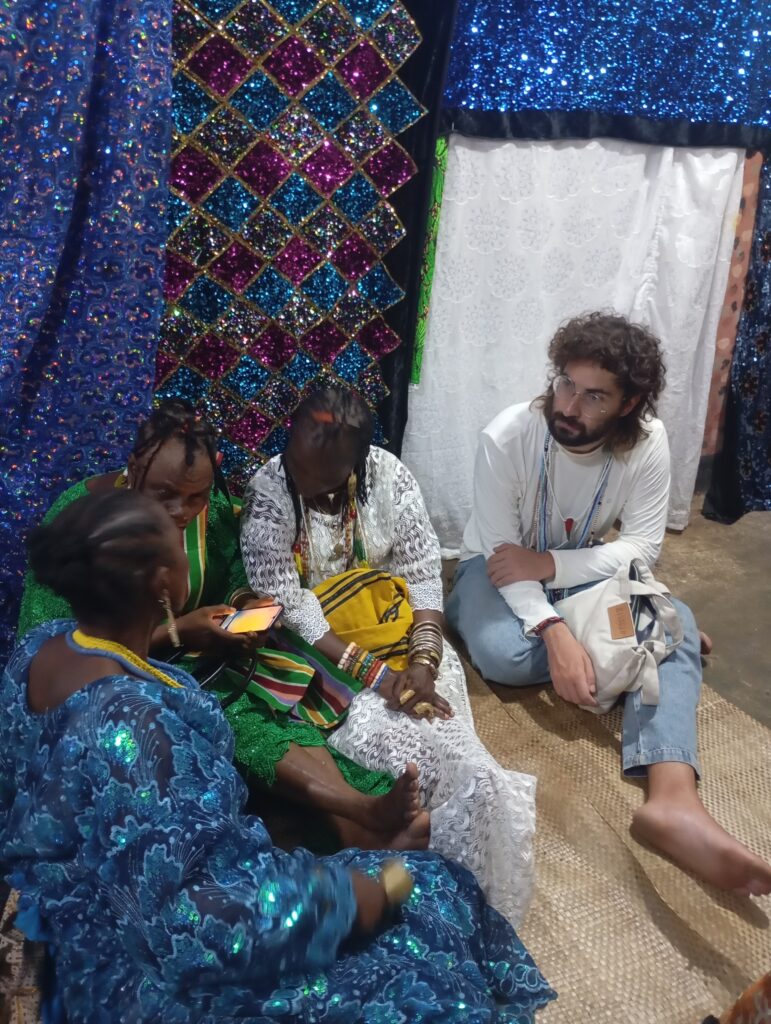
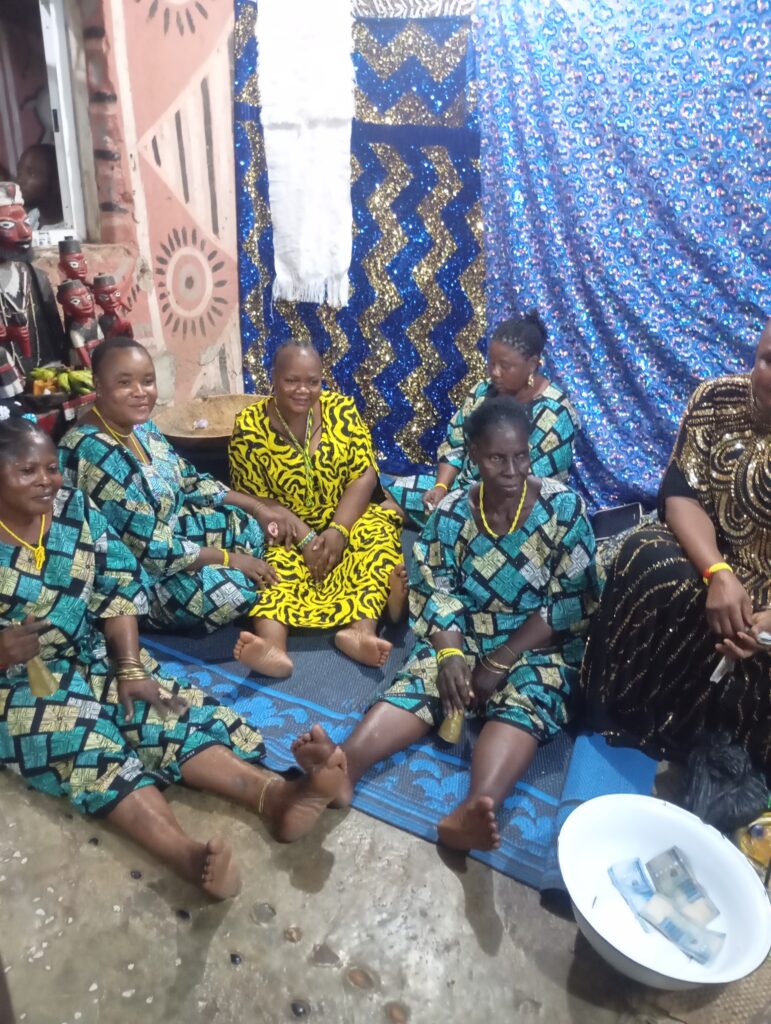
The festival culminates at the Osun-Osogbo Sacred Grove, one of the last remaining sacred forests of the Yoruba people. The Sacred Grove was inscribed on the UNESCO World Heritage List in 2005 for its exceptional cultural, historical, and spiritual significance. Today, it stands as one of Africa’s most important heritage destinations and a symbol of Nigeria’s rich cultural legacy.
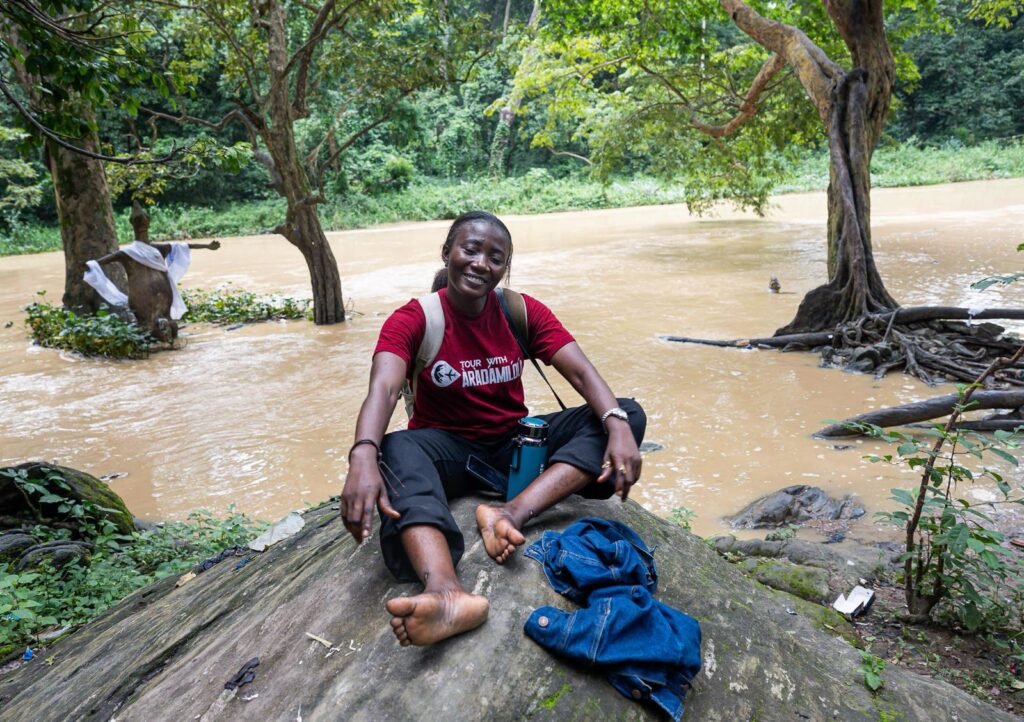
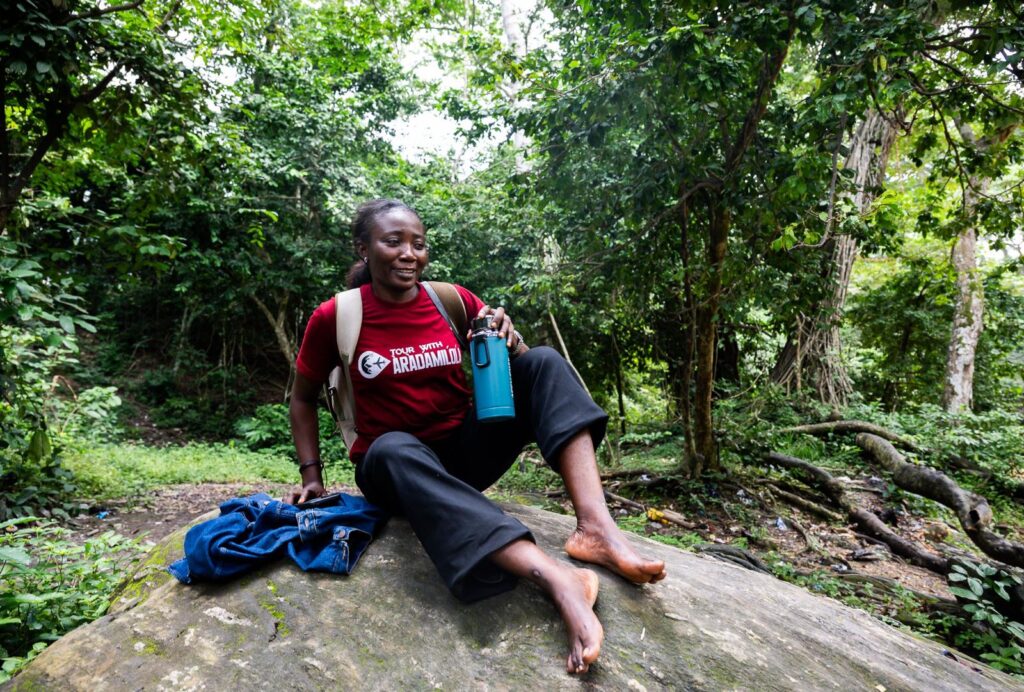
Why You Should Visit the Osun-Osogbo Festival
- Experience authentic Yoruba culture and traditions.
- Witness the iconic Arugba procession and other sacred ceremonies.
- Explore the UNESCO-listed Osun-Osogbo Sacred Grove.
- Enjoy traditional music, dance, art, and cultural performances.
- Meet people from different parts of Nigeria and around the world.
- Capture breathtaking photographs of one of Africa’s most vibrant cultural festivals.
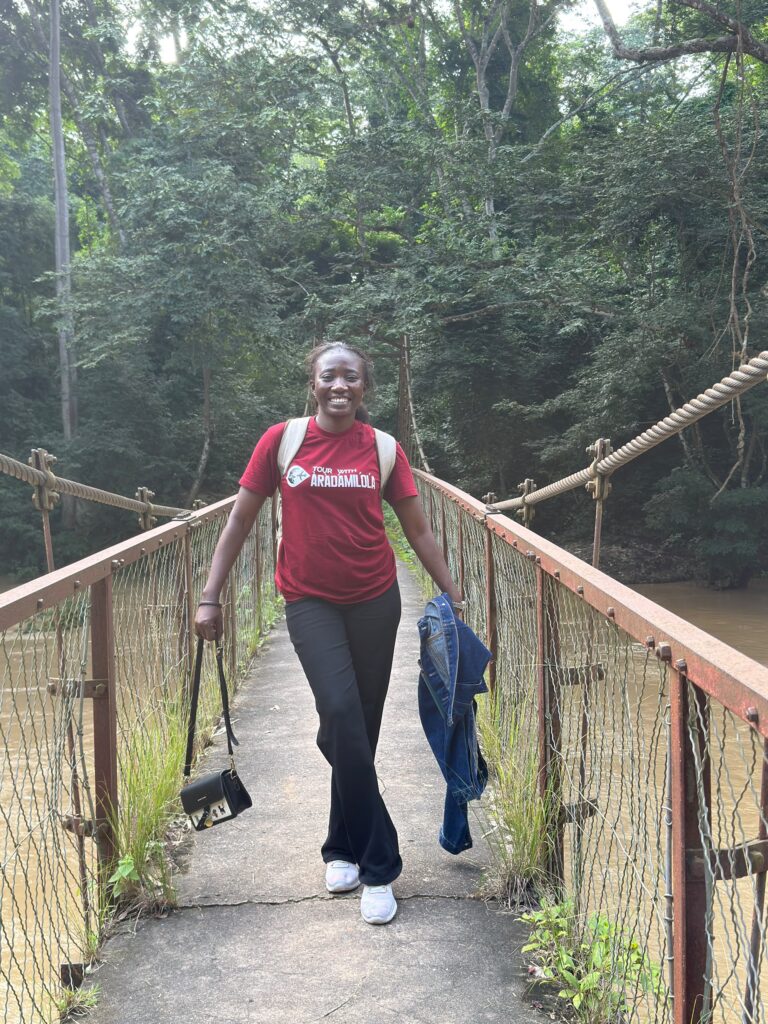
Join Tour with Àràdámilólá
Experience the Osun-Osogbo Festival with knowledgeable local guides who understand its history, traditions, and cultural significance.
Tour with Àràdámilólá offers:
- Organized group tours
- Private guided cultural experiences
- Educational and heritage excursions
- Corporate and institutional tour packages
- Photography and cultural exploration tours
- Customized travel itineraries across Nigeria
Whether you’re visiting for the first time or returning to deepen your appreciation of Yoruba heritage, we ensure a memorable, safe, and enriching experience.
Book your Osun-Osogbo Festival tour today with Tour with Àràdámilólá and discover the beauty, spirituality, and living traditions of one of Africa’s most iconic cultural celebrations.
https://www.linkedin.com/in/friday-%C3%A0radamilola-morenikeji-965912201
https://www.instagram.com/tour_with_aradamilola?igsh=enl1YmYwNGs0Mnl6
Focus Keyword: Yemoji Natural Swimming Pool
Secondary Keywords: Yemoji Lake, Yemoji Natural Pool, things to do in Ijebu-Ode, tourist attractions in Ogun State, tourism in Ogun State, places to visit in Ogun State, sustainable tourism in Nigeria, ecotourism in Nigeria, Ijebu-Ode tourism
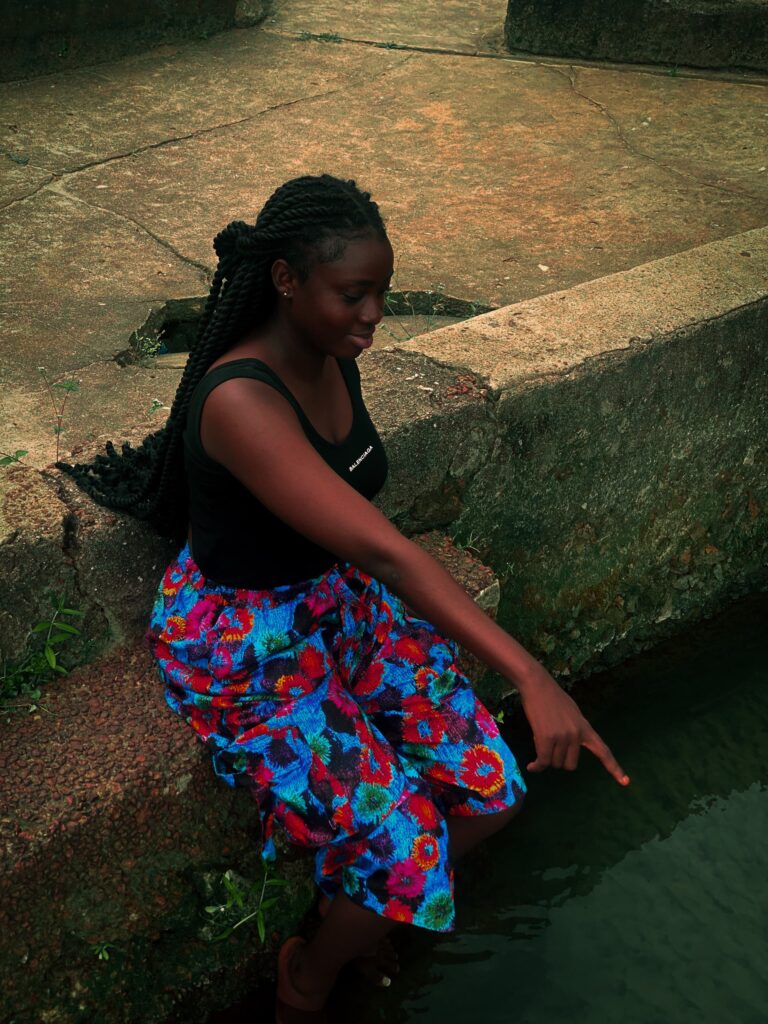
Have you ever wondered where you can escape the noise of the city, reconnect with nature and experience a different side of tourism in Nigeria?
Brief History
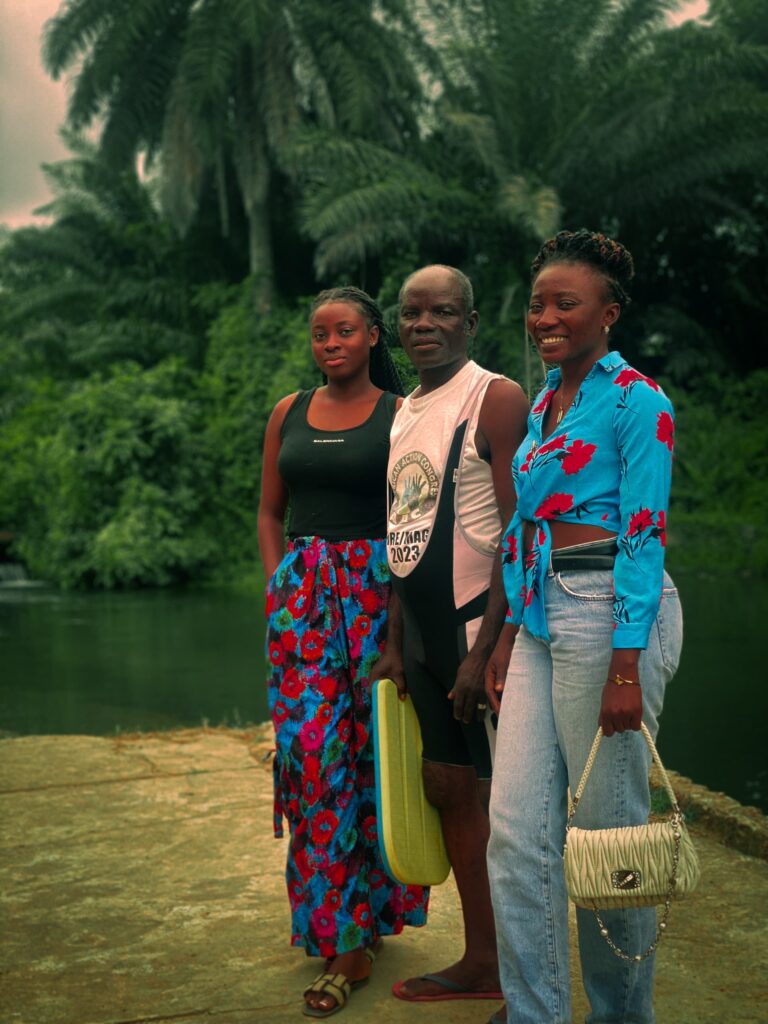
The Yemoji Natural Pool is a historic freshwater spring located in Imagbon, about 6 kilometres from Ijebu Ode along the Ijebu Ode–Epe Expressway in Ogun State, Nigeria. Originally developed in 1937 during the colonial era, the site served as a ferry terminal that facilitated the transportation of goods between the Ijebu region and Lagos. Over the years, it has transformed into a peaceful ecotourism destination, attracting visitors who seek relaxation and recreation in its crystal-clear, naturally cool waters.
Beyond its natural beauty, Yemoji Natural Pool holds deep cultural and spiritual significance. Local oral tradition recounts that the river came into existence through the blessing of a travelling sojourner who visited the nearby village of Ilone. Because of its perceived healing and spiritual qualities, the pool is widely regarded as the “African River Jordan,” drawing pilgrims and tourists who visit for spiritual reflection, cultural experiences, and leisure.
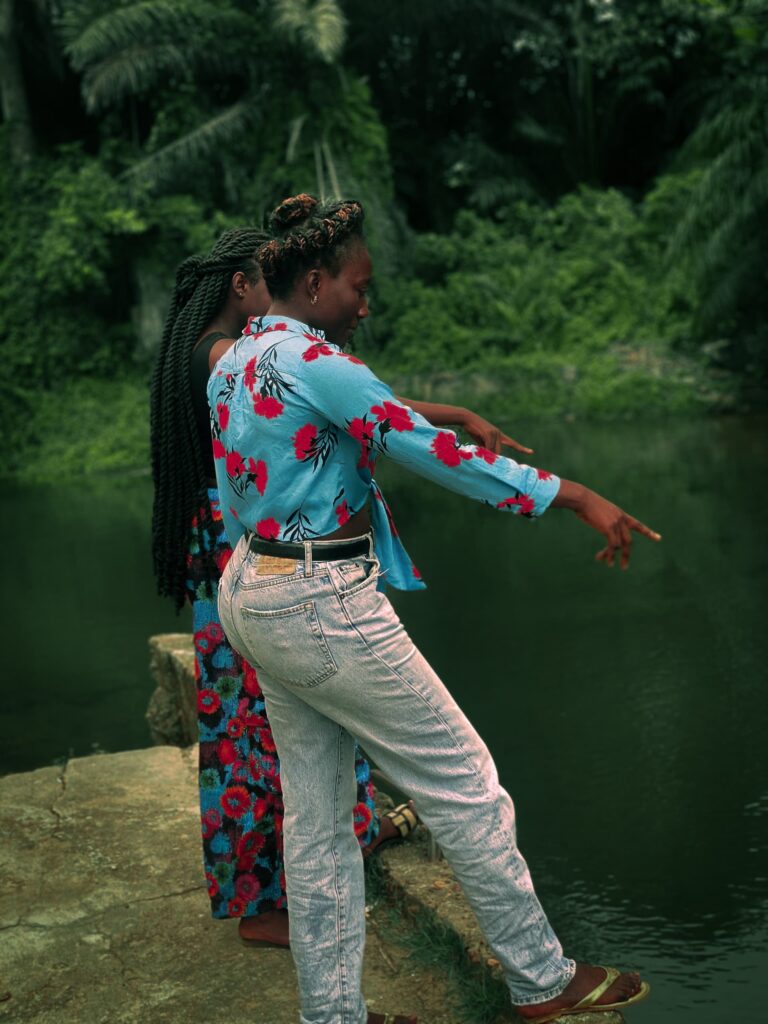
Located around Imagbon in the Ijebu-Ode area of Ogun State, Nigeria, Yemoji offers visitors the opportunity to experience nature, recreation and the beauty of the Ijebu landscape.
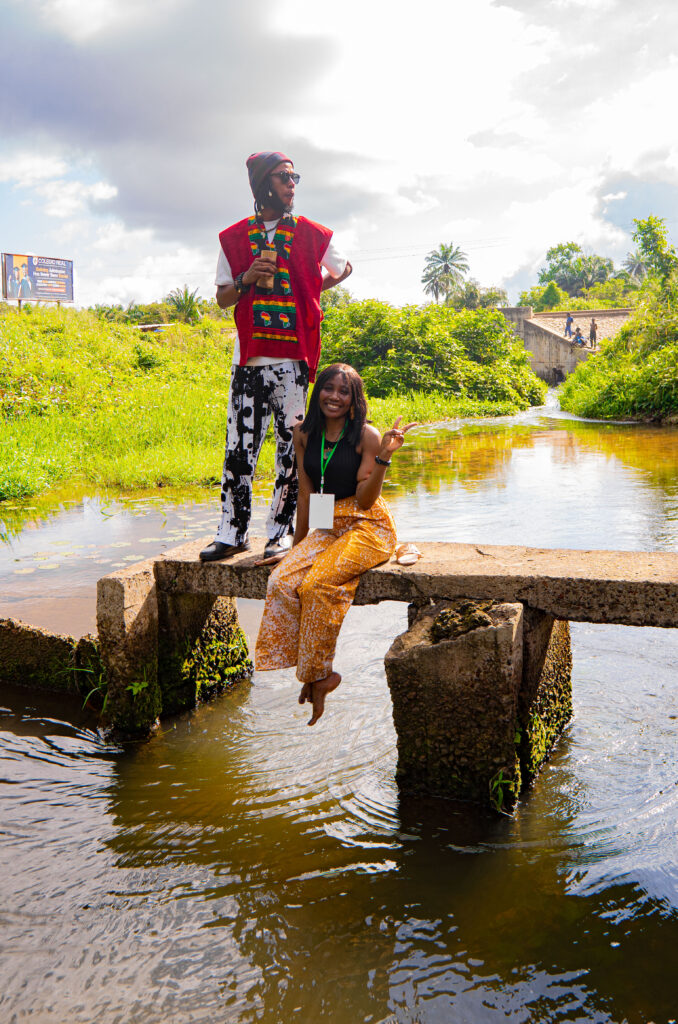
Unlike the conventional swimming pools found in hotels and recreational centres, Yemoji offers a natural environment where the experience is connected to the landscape and water resources of the area.
But there is more to Yemoji than swimming.
The destination is part of a wider natural and cultural landscape connected with the Yemoji River and Yemoji Lake, making it an interesting location for anyone interested in nature tourism, ecotourism, cultural tourism and sustainable tourism in Nigeria.

Where Is Yemoji Natural Swimming Pool Located?
Yemoji Natural Swimming Pool is located at Imagbon in the Ijebu-Ode area of Ogun State, along the Ijebu-Ode–Epe corridor.
Its location makes it an interesting destination for travellers exploring Ogun State tourism and the wider Ijebu cultural landscape.
For visitors interested in discovering less-publicised destinations in Nigeria, Yemoji offers an opportunity to explore a natural attraction away from some of the country’s more popular tourism sites.
Its proximity to Ijebu-Ode also creates opportunities to combine a visit to Yemoji with other cultural, historical and recreational experiences within the region.
What Makes Yemoji Natural Swimming Pool Special?
The uniqueness of Yemoji lies in its natural setting.
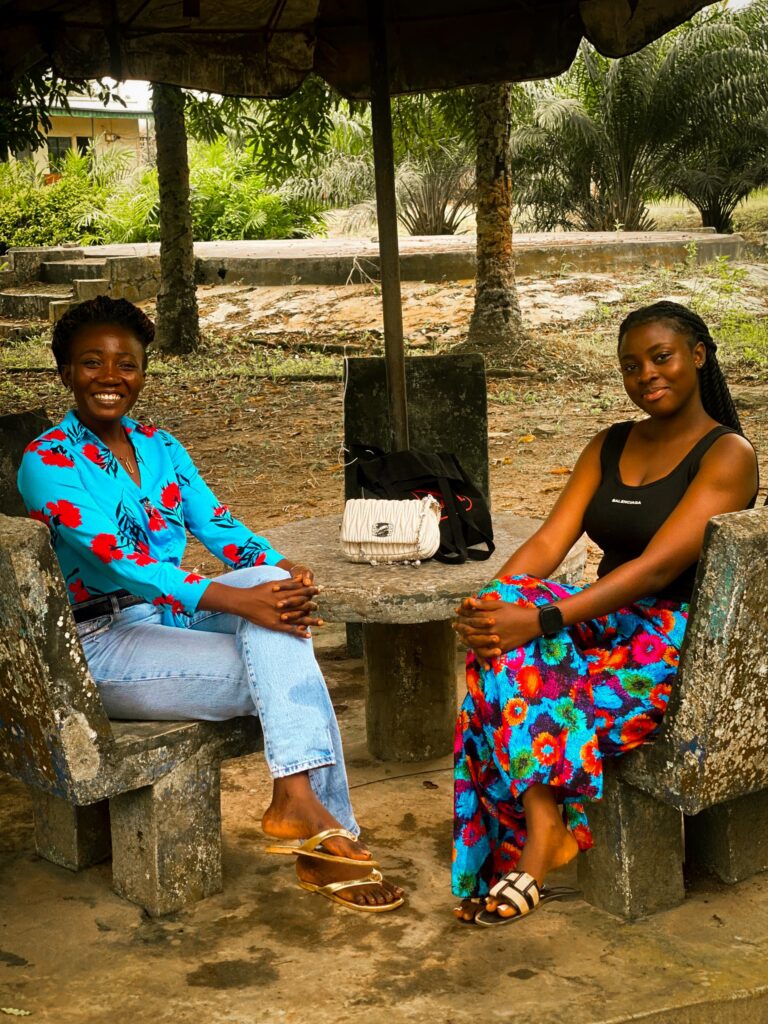
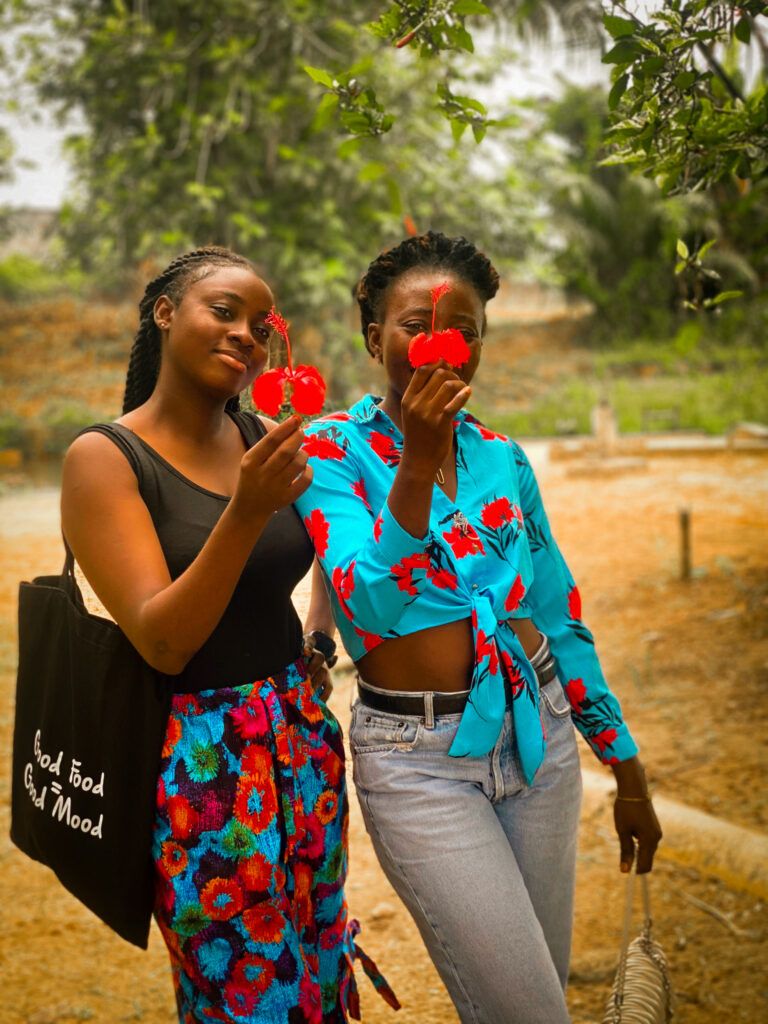
For many visitors, the attraction is the opportunity to enjoy a swimming and recreational experience within a natural environment. The surrounding landscape provides a different atmosphere from the typical urban swimming pool.
Yemoji can therefore appeal to:
- Nature lovers
- Adventure seekers
- Domestic tourists
- Families and groups
- Photographers
- Travel content creators
- Cultural tourists
- Ecotourism enthusiasts
- Researchers and students
For those searching for things to do in Ijebu-Ode, visiting Yemoji can provide a refreshing opportunity to experience one of the area’s lesser-known natural attractions.
Yemoji Lake and the Importance of Wetland Conservation
The story of Yemoji extends beyond the natural swimming pool.
The wider Yemoji Lake wetland is an important part of the area’s environmental landscape. In 2025, Yemoji Lake Ijebu Ode was designated a Wetland of International Importance under the Ramsar Convention.
This recognition draws attention to the ecological importance of the wider Yemoji wetland ecosystem.
The Ramsar documentation identifies the wetland as a permanent inland wetland associated with the Yemoji River. It also highlights the area’s ecological, geological and historical importance, as well as ecosystem services that support local communities.
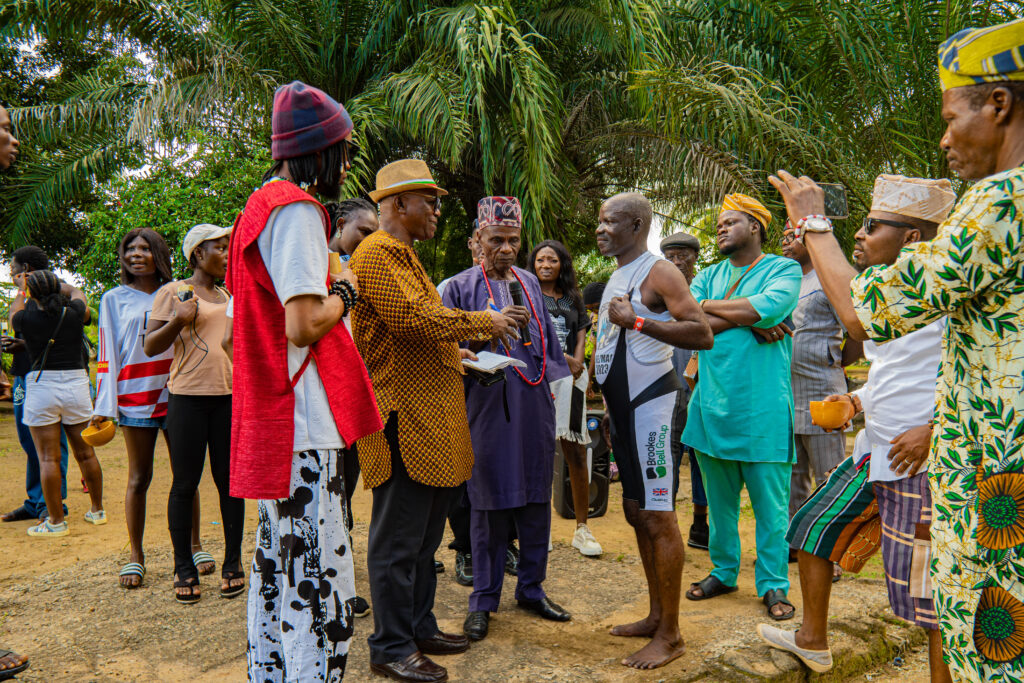
This is significant for tourism.
It means that the future development of Yemoji Natural Swimming Pool and the surrounding tourism landscape should be approached with environmental responsibility.
Tourism should not destroy the natural environment that attracts visitors in the first place.
Instead, sustainable tourism development should focus on protecting the wetland, managing waste, preventing pollution and educating visitors about the importance of conservation.
Yemoji as a Sustainable Tourism Destination
The future of tourism in Nigeria depends partly on how we manage and promote destinations beyond the well-known attractions.
Yemoji has the potential to become an example of sustainable tourism in Ogun State.
Sustainable tourism at Yemoji should bring together three important elements:
1. Environmental Conservation
The natural water resources, wetland ecosystem and surrounding environment should be protected.
Tourism development should be carefully planned to prevent pollution, excessive construction and environmental degradation.
2. Community Participation
People living around the destination should benefit from tourism.
Local residents can participate as:
- Tour guides
- Food vendors
- Transport providers
- Photographers
- Cultural storytellers
- Hospitality providers
- Craft producers
- Tourism entrepreneurs
When local communities benefit from tourism, they are more likely to become active partners in protecting the destination.
3. Visitor Experience
Tourism is ultimately about creating meaningful experiences.
Visitors to Yemoji should be able to enjoy the natural environment while learning about the history, culture and ecological importance of the destination.
This could include guided nature walks, cultural storytelling, environmental education, photography experiences and other responsible tourism activities.
The Cultural Tourism Potential of Yemoji
Yemoji is located within the wider Ijebu cultural landscape, an area with a rich history and cultural identity.
This provides an opportunity to connect nature-based tourism with cultural tourism.
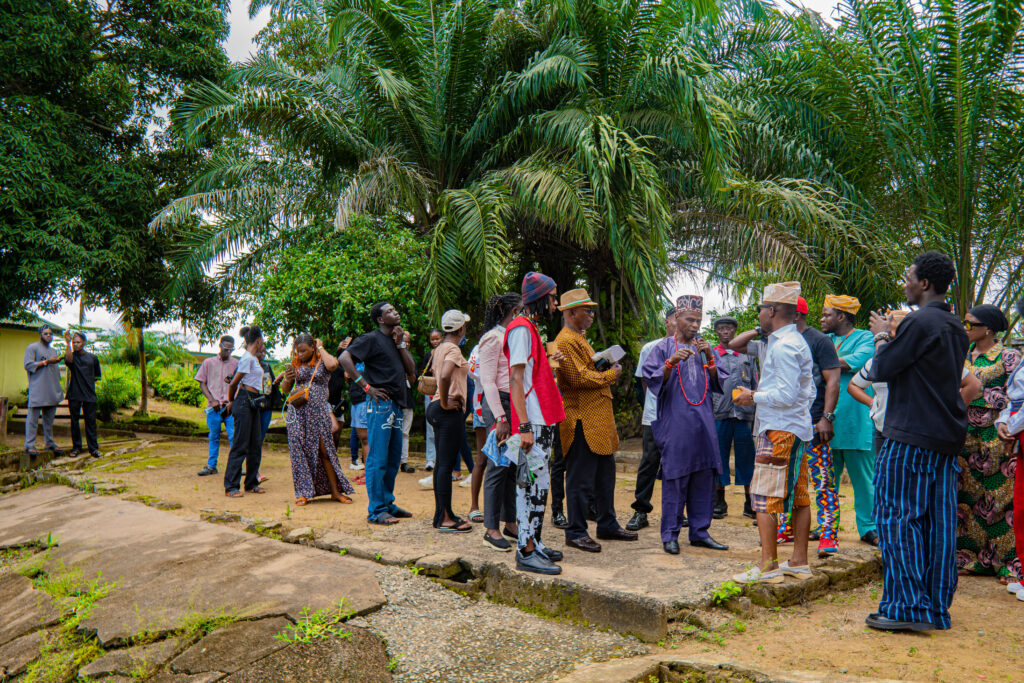
A visit to Yemoji could become more meaningful if visitors are able to learn about the local community, history and traditions associated with the area.
The destination’s historical narratives and local oral traditions could also be documented and interpreted responsibly.
However, it is important that historical claims and oral traditions are carefully researched and presented accurately, distinguishing documented history from community narratives.
This approach can help create a tourism experience that is not only entertaining but also educational.
Why Yemoji Matters to Tourism in Ogun State
Ogun State is blessed with many natural and cultural tourism resources.
However, one of the challenges facing tourism development in Nigeria is that many destinations remain relatively unknown to the wider public.
Yemoji represents an opportunity to change this narrative.
Rather than focusing tourism development only on already popular attractions, destination managers can identify and develop lesser-known places with strong natural and cultural potential.
Yemoji could become part of a broader tourism circuit connecting natural attractions, cultural experiences and historical destinations across Ogun State.
This approach could encourage longer visitor stays and create more opportunities for local businesses.
What Can Be Done to Develop Yemoji Natural Swimming Pool?
For Yemoji to become a stronger tourism destination, several areas require attention.
Improve Visitor Facilities
Basic facilities such as clean toilets, changing areas, waste bins, parking and visitor information can improve the tourism experience.
Strengthen Safety
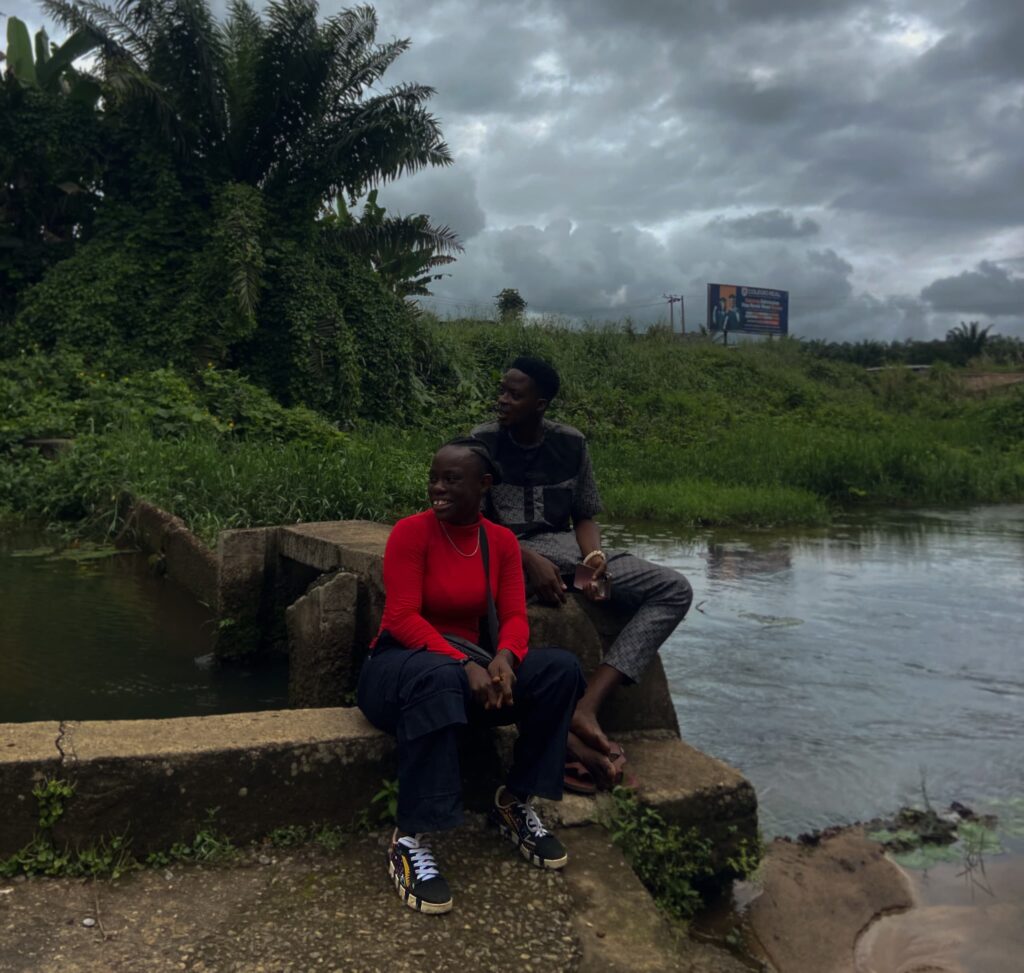
Because the destination involves a natural water environment, visitor safety should be a priority.
Clear safety guidelines, designated swimming areas, trained personnel and appropriate emergency procedures are essential.
Promote Environmental Education
Visitors should understand the ecological importance of Yemoji Lake and the surrounding wetland.
Interpretive signs and guided tours can help tourists appreciate the environment they are visiting.
Empower Local Communities
Local residents should be involved in tourism planning and should have opportunities to earn income from tourism activities.

Promote Yemoji Digitally
Social media, travel blogs, professional photography and video storytelling can help introduce Yemoji to a wider audience.
The destination needs a strong digital presence so that travellers searching for places to visit in Ogun State can easily discover it.
A Personal Perspective: Discovering Nigeria Beyond the Popular Destinations
One of the things I love about tourism is the opportunity to discover places that many people have never heard about.
As a tourism enthusiast and the person behind Tour with Àradamilola, I believe that tourism is not only about visiting famous destinations.
It is also about discovering the hidden gems within our communities.
Places like Yemoji remind us that Nigeria has many tourism stories waiting to be told.
Our rivers, wetlands, hills, forests, cultural landscapes and communities all have stories that deserve to be documented and shared with the world.
But promoting these places comes with responsibility.
We must promote tourism without destroying the environment.
We must attract visitors while respecting host communities.
We must develop infrastructure without losing the natural character of the destination.
And most importantly, we must ensure that tourism creates meaningful benefits for the people who call these places home.
Final Thoughts on Yemoji Natural Swimming Pool
Yemoji Natural Swimming Pool in Ijebu-Ode, Ogun State, is more than a place to swim.
It represents an opportunity to experience nature, explore the Ijebu landscape and think about the possibilities of sustainable tourism in Nigeria.
With the ecological significance of the wider Yemoji Lake wetland, the destination has the potential to become an important part of Ogun State’s tourism story.
The journey ahead should focus on responsible development, environmental conservation, community participation and effective destination marketing.
Nigeria has many hidden tourism gems.
Yemoji is one of them.
And perhaps, the next time you are searching for things to do in Ijebu-Ode or places to visit in Ogun State, you should consider adding Yemoji Natural Swimming Pool to your list.
Have you visited Yemoji Natural Swimming Pool before?
What was your experience?
Share your thoughts and let us continue discovering and promoting the beautiful tourism destinations that Nigeria has to offer.
Plan Your Next Adventure
If you are passionate about discovering the hidden cultural and natural treasures of Nigeria, follow Tour with Àradamilola for more travel stories, cultural experiences, tours and destination discoveries.
Explore. Experience. Connect.
https://www.linkedin.com/in/friday-%C3%A0radamilola-morenikeji-965912201
https://www.instagram.com/tour_with_aradamilola?igsh=enl1YmYwNGs0Mnl6
Did you know that the forests made famous in The Forest of A Thousand Demons and The Forest of God truly exist?
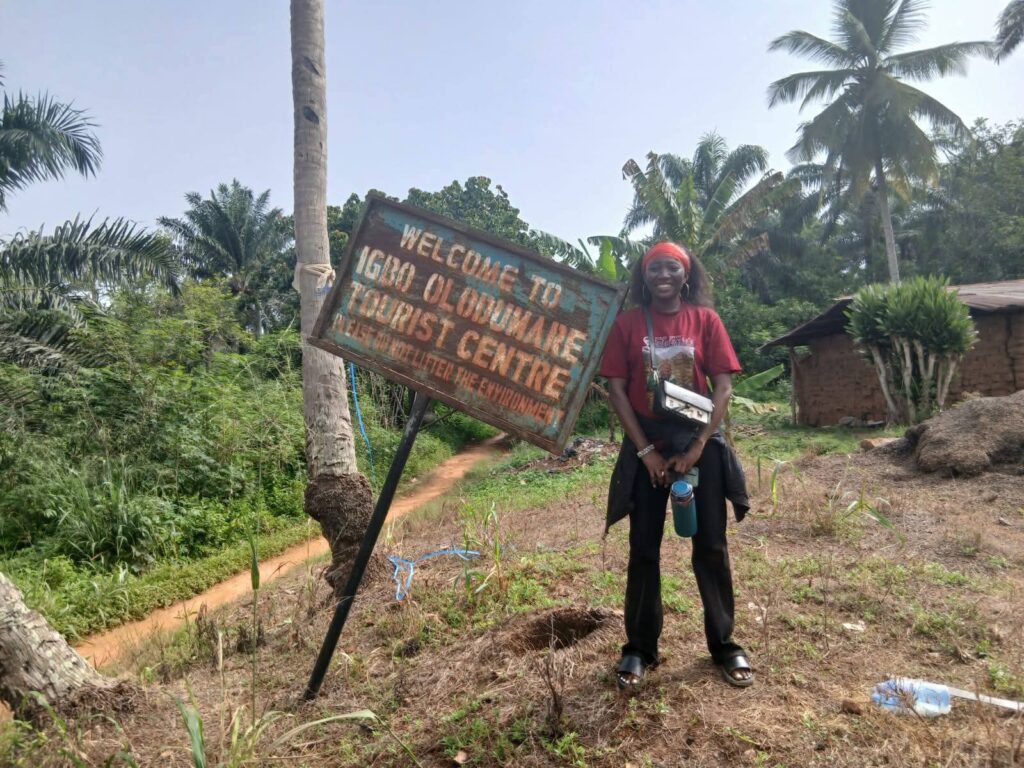
Yes, they do and I recently had the opportunity to explore one of Nigeria’s most fascinating yet least-visited cultural and literary tourism destinations: Igbo Eledumare in Oke-Igbo, Ondo State.
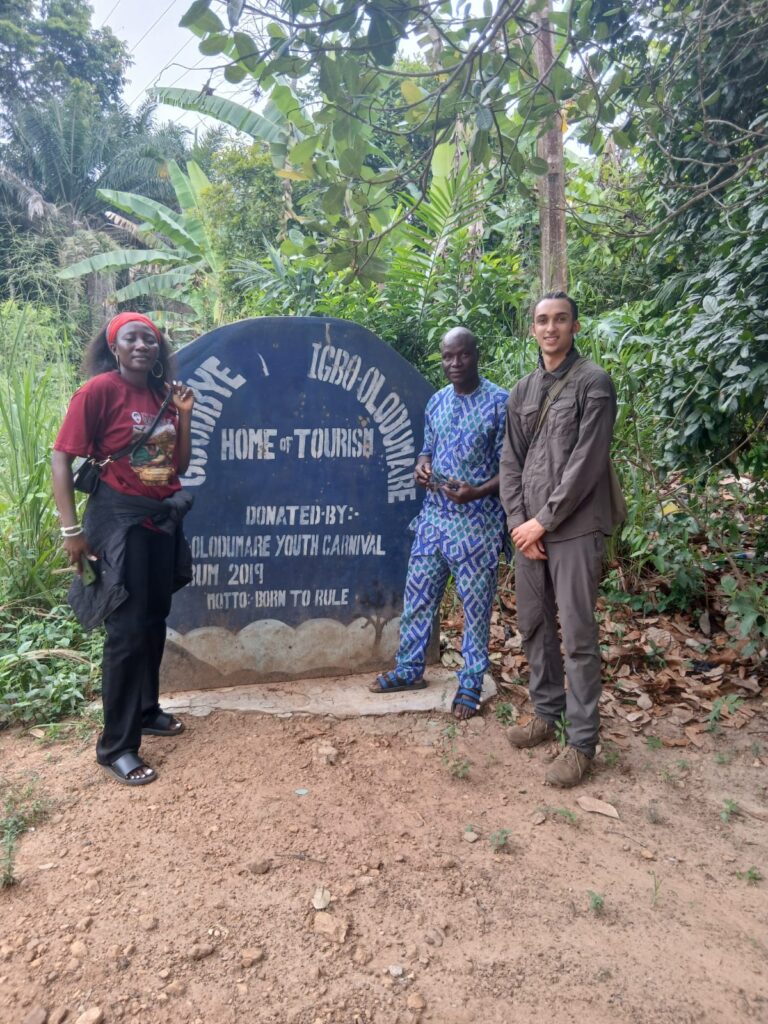
For many lovers of African literature, D.O. Fagunwa’s Ògbójú Ọdẹ nínú Igbó Irúnmọlẹ̀ is a familiar masterpiece. Widely regarded as the first novel written in the Yorùbá language and one of the earliest novels written in any African language, it was later translated into English by Nobel Laureate Wole Soyinka as The Forest of A Thousand Demons. Fagunwa’s other notable works include Igbó Olódùmarè (The Forest of God), Ìrèké Oníbùdó, Ìrìnkèrindó nínú Igbó Elégbèje, and Àdììtú Olódùmarè.
Access to the forest is highly restricted. Visitors are not permitted entry without proper authorization, and activities such as tree felling and hunting are strictly forbidden. Once every year, a select group from the community ascends the mountain to celebrate Igbo Olodumare, honoring the mysteries and ancestral spirits believed to have protected the land for generations.
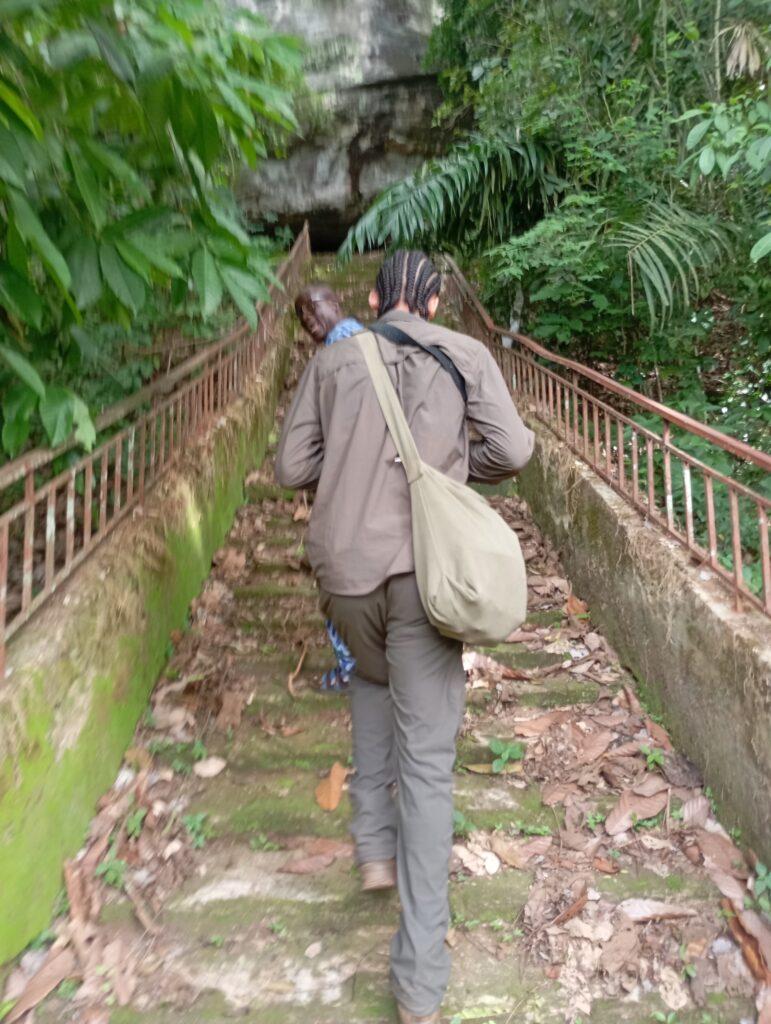
Ascending 73 steps brings one into the heart of Igbo Eledumare, where Apata Adimula is found, a sacred rock formation where prayers are offered. Oral tradition holds that this spot was also a meeting place for the Akoni Meje (the Seven Elders): Akara Ogun, Efoye, Imodoye, Kako, Elegbede Ode, Olohun Iyo, and Osofisan, who gathered to deliberate and resolve communal matters. Hiking the Oke langbodo was also one of the Adventure part of Igbo Eledumare
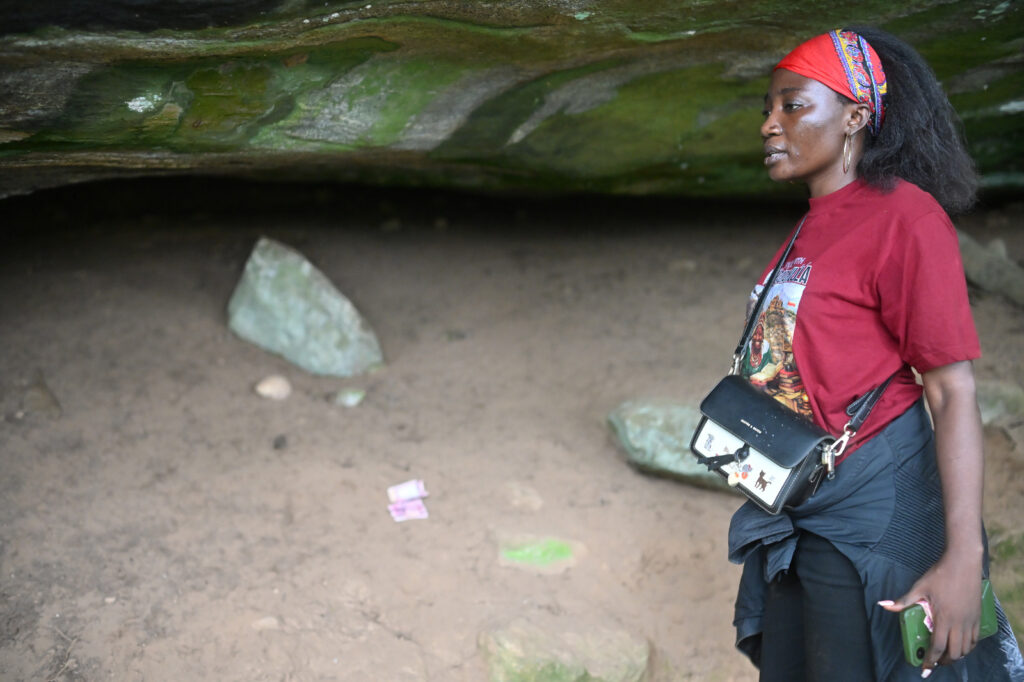
Another notable presence is Baba Onirungbo Yeuke, the bearded figure often associated with a flute, whose story forms part of the forest’s spiritual lore. Deeper within the forest lies Ile Ejola Ibinu, believed to be the dwelling place of a giant python said to possess a human head. According to legend, the creature emerges once a year in August, heralded by a rainbow as a warning sign of its presence. During this period, entry into the forest is strictly prohibited.
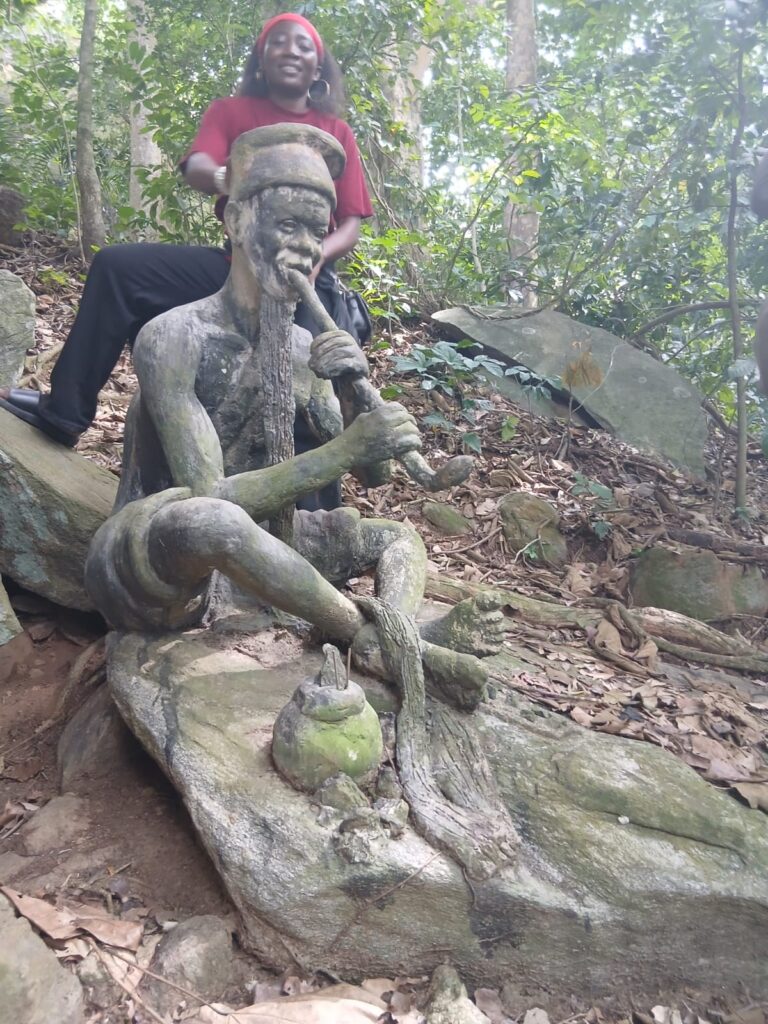
It is also important to note that goat rearing is forbidden within Igbo Olodumare, in keeping with longstanding cultural and spiritual traditions.
What many people don’t realize is that the mystical forests, spiritual encounters, hunters’ adventures, and folklore that shaped Fagunwa’s stories were inspired by real landscapes, traditions, and beliefs deeply rooted in Yorùbá culture. One of those places is Igbo Eledumare, a sacred forest tucked away in Oke-Igbo, Ondo State.
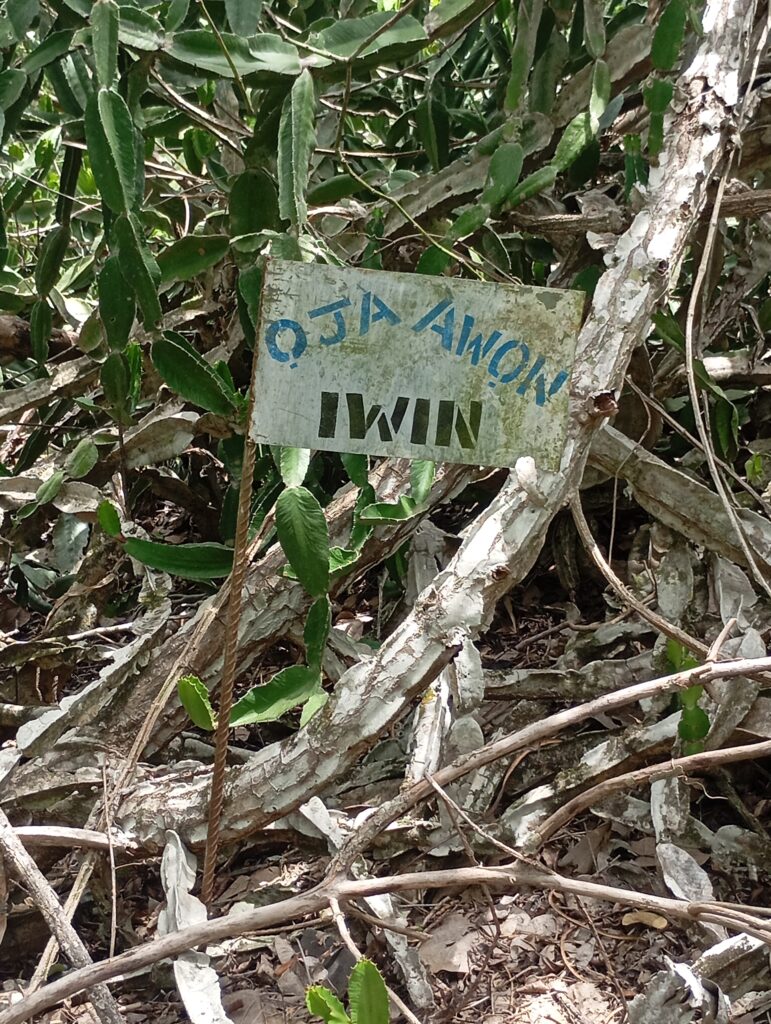
As someone who has spent over eight years exploring Nigeria’s cultural, historical, and natural attractions, visiting Igbo Eledumare felt like stepping into the pages of a living storybook. Unlike popular tourist sites that receive regular crowds, this destination remains largely undiscovered by mainstream travelers. The journey itself was an adventure.
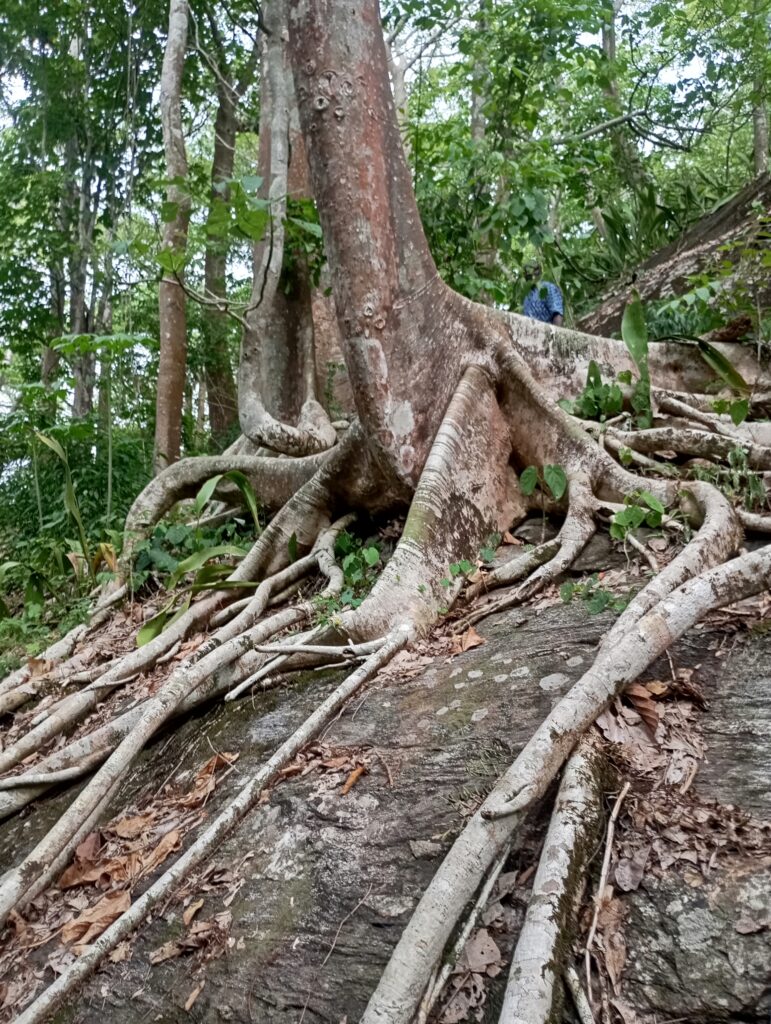
The trail through the forest was challenging, with sections overtaken by thick vegetation and untamed bush. Every step reminded me that this was not a commercialized attraction but a place where nature, history, and spirituality have been preserved in their raw form. The rugged terrain required patience and determination, but the experience was well worth the effort.
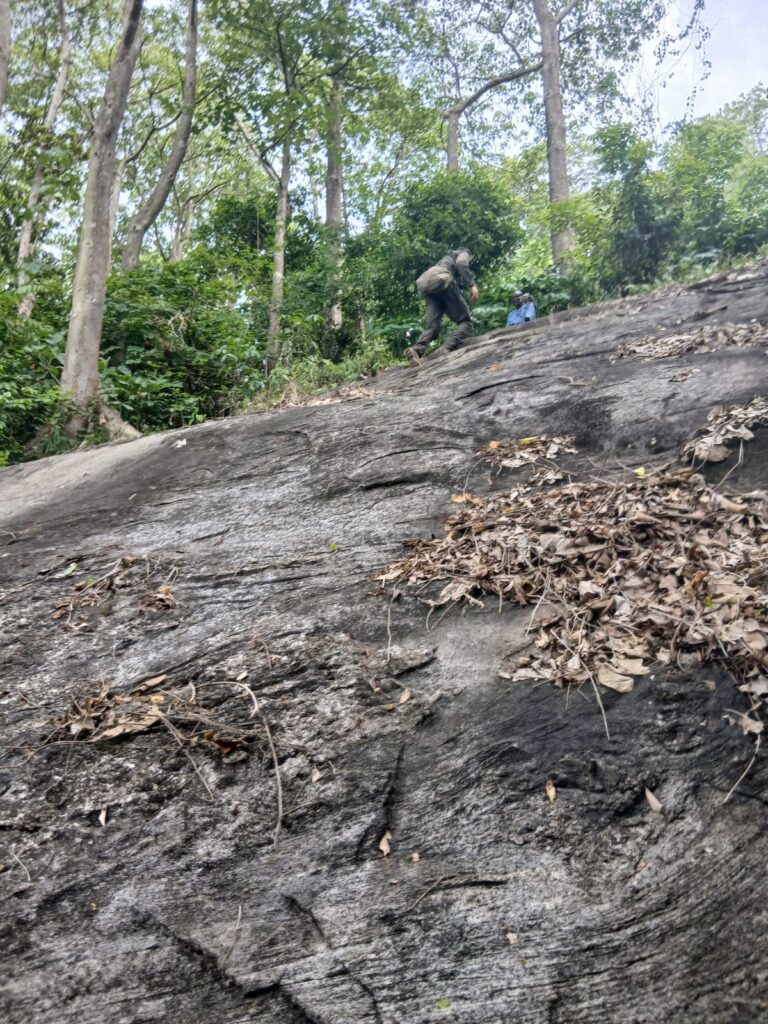
One of the highlights of the journey was interacting with local guides and community custodians who shared fascinating stories about the forest’s history, spiritual significance, and cultural importance. Through their narratives, the forest transformed from a physical location into a living archive of Yorùbá traditions, beliefs, and folklore that have survived for generations.
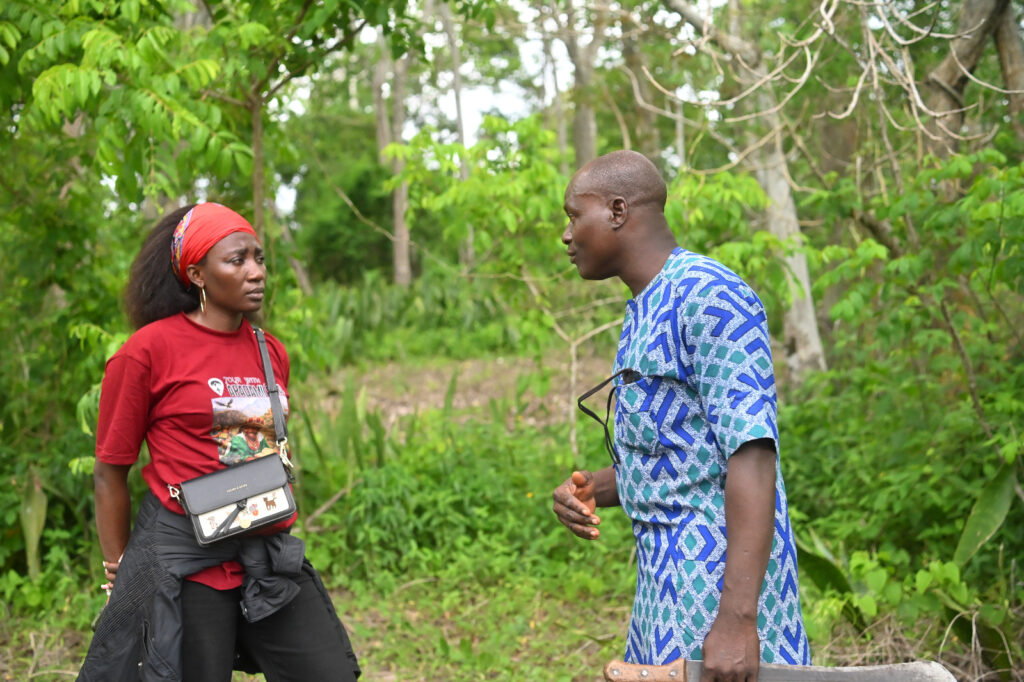
What makes Igbo Eledumare special is the way it blends literary history, cultural heritage, spirituality, and eco-tourism into a single experience. Throughout the exploration, I encountered unique cultural landmarks, sacred spaces, and symbolic features that reflect the traditions and worldview of the people who have protected this forest for centuries.
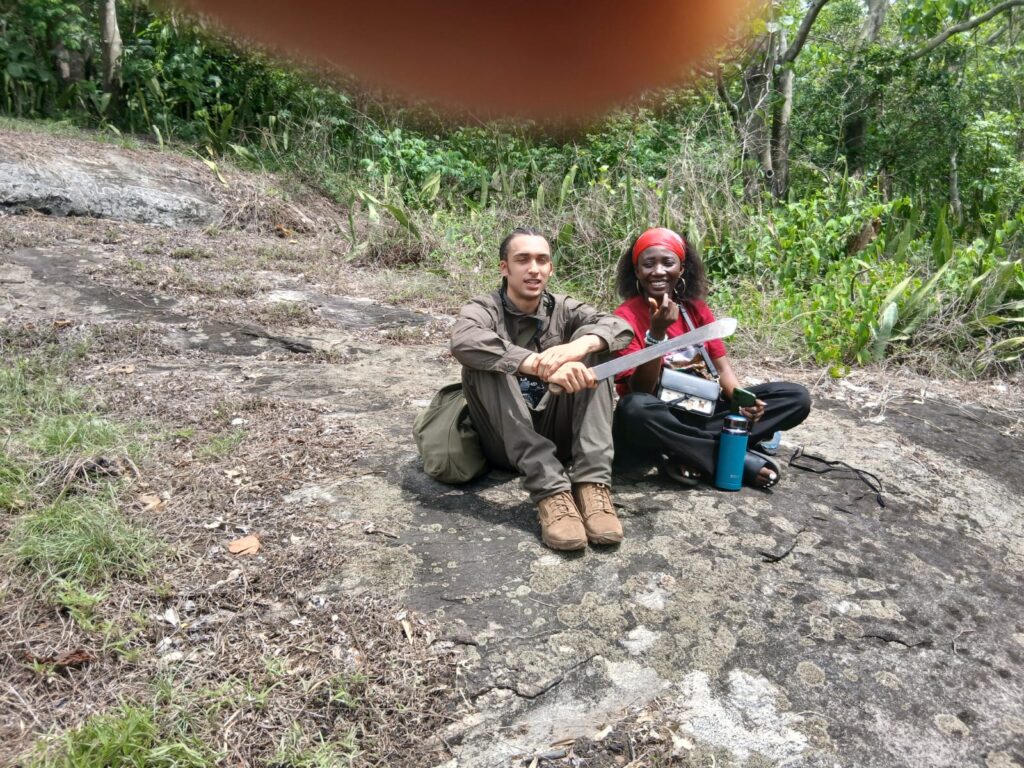
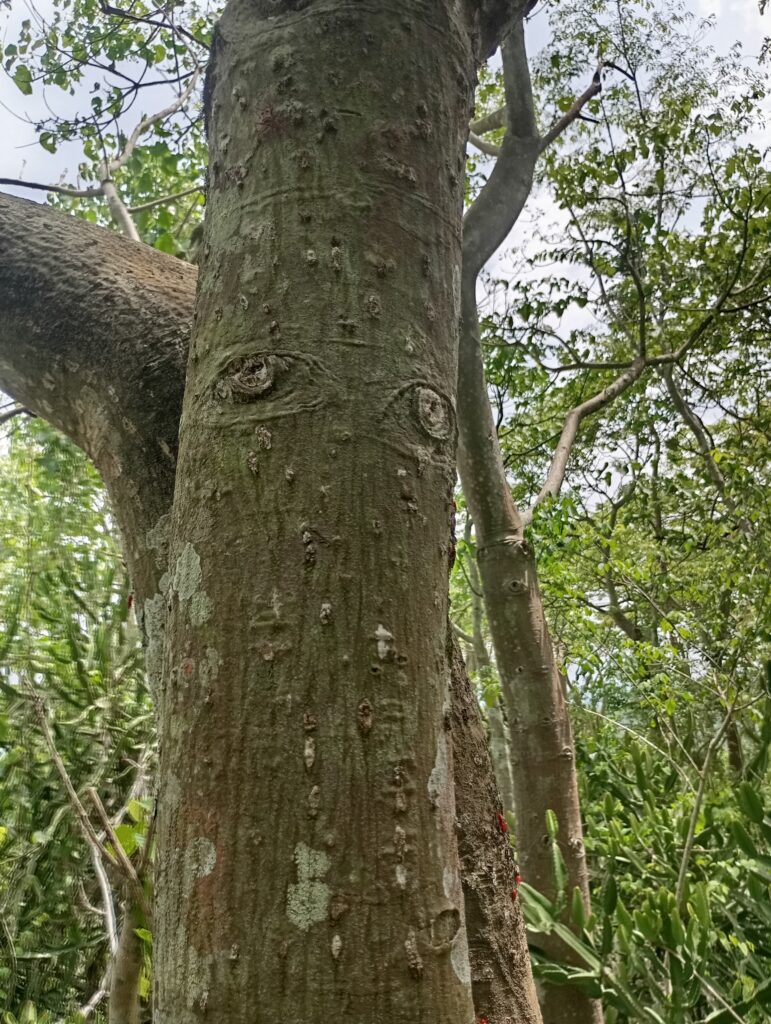
In between my writing, I have share some of these remarkable cultural and spiritual sites, offering a visual journey into a destination where literature, folklore, history, and reality meet.
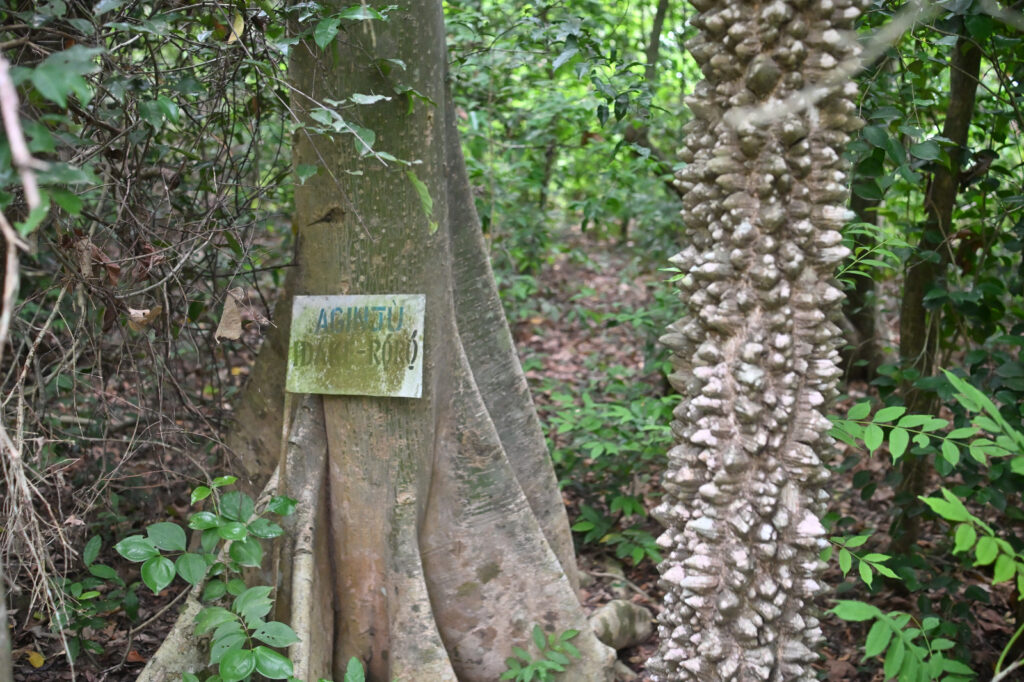
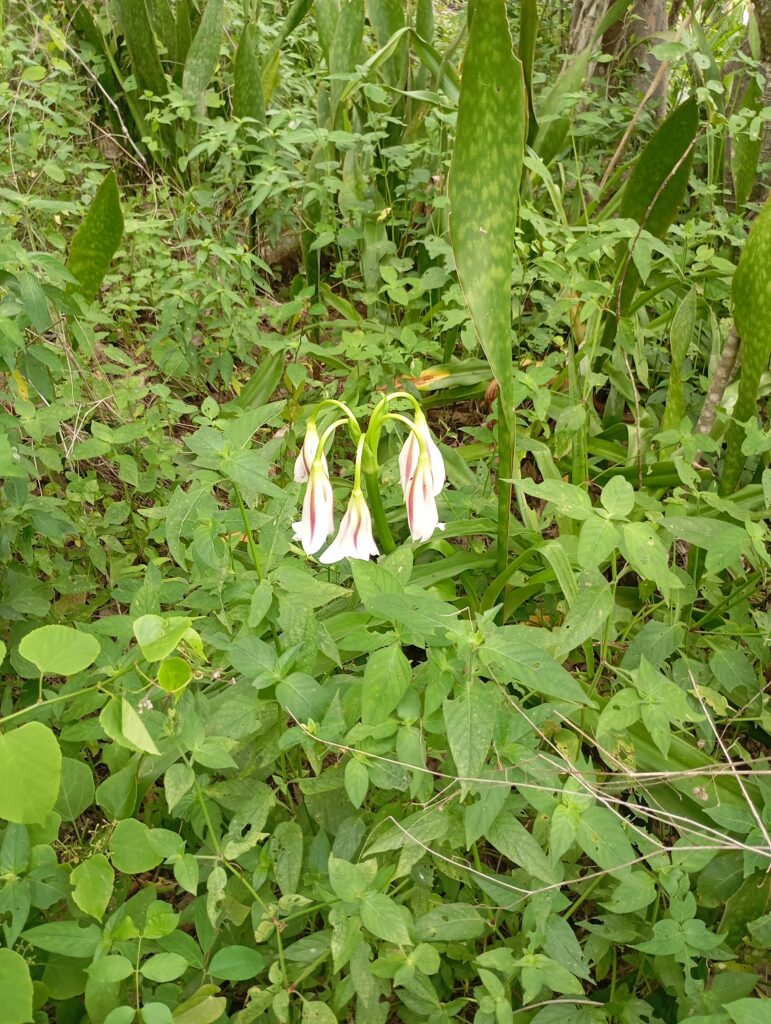
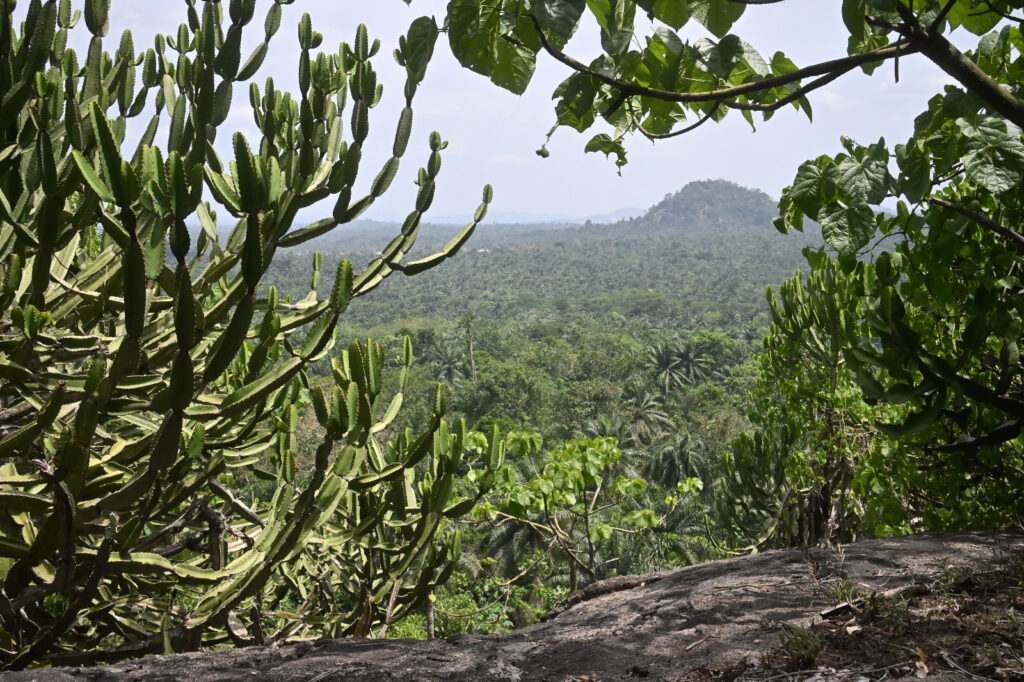
If you are interested in hidden tourist attractions in Nigeria, cultural tourism, Yorùbá heritage, or the literary legacy of D.O. Fagunwa, then Igbo Eledumare deserves a place on your travel list.
Welcome to my journey into Igbo Eledumare, the real-life forest behind some of Africa’s most iconic stories.
For a curated group tour or a personal tour guiding you can reach us through the links below 👇
https://www.linkedin.com/in/friday-%C3%A0radamilola-morenikeji-965912201
https://www.instagram.com/tour_with_aradamilola?igsh=enl1YmYwNGs0Mnl6
The most memorable travel stories rarely begin with a perfectly executed schedule. They start when you take a wrong turn, miss a train, or wander down an unmarked alleyway. While itineraries offer comfort, strict planning often blocks the magic of genuine discovery. True adventure begins where your checklist ends.
The Magic of the Detour
Discover hidden culinary gems: The best meals are found three blocks away from the tourist centers.
Connect with locals naturally: Asking for directions often leads to unforgettable insider recommendations.
Reduce vacation anxiety: Dropping a rigid timeline instantly clears room for actual relaxation.
How to Practice Structured Spontaneity
You do not have to wing your entire trip to experience this freedom. Dedicate just one full day of your next vacation to absolute randomness. Walk out of your hotel door, flip a coin at the first intersection, and let the city dictate your path.
To make the next draft fit your vision perfectly, let me know:
What is the ideal length or word count?
Who is your target reader (e.g., digital nomads, families, luxury travelers)?
What specific takeaway or call-to-action should the blog end with?
When most people think of travel, their minds often wander to distant continents. Yet, right here in Nigeria lies a goldmine of history, culture, and natural wonders waiting to be explored. South-Western Nigeria, in particular, offers a brilliant tapestry of experiences—from ancient sanctuaries carved into mountains to quiet coastal towns that hold the heavy stories of our ancestors.
Whether you are a history enthusiast, a lover of nature, or simply looking for your next weekend escape, here are three unforgettable destinations that prove the ultimate adventure is closer to home than you think.
1. Abeokuta: The Fortress of the Egba People
You cannot speak of cultural tourism in Nigeria without walking the grounds of Abeokuta. The city’s name literally translates to “Under the Rock,” a direct homage to the magnificent Olumo Rock. Serving as a fortress and sanctuary for the Egba people during the 19th-century inter-tribal wars, climbing this massive outcrop is both a physical thrill and a journey through time.
Beyond the rock, Abeokuta is the undisputed capital of Adire. Taking a day trip here means immersing yourself in the rich, indigo-dyed textile culture, watching local artisans craft stunning traditional motifs that have been passed down through generations.
2. Badagry: Echoes of a Coastal History
For a more reflective and deeply educational experience, a journey to Badagry is essential. Sitting quietly on the coast of Lagos State, Badagry was a major hub during the transatlantic slave trade.
Walking through this historical town is profoundly moving. Visitors can explore the First Storey Building in Nigeria, the Badagry Heritage Museum, and take the solemn boat ride across to the Point of No Return. It is a vital historical site that offers a powerful connection to the past, reminding us of the resilience and strength woven into our heritage.
3. Idanre Hills and Iyake Lake: Nature’s Masterpiece
If your soul craves the outdoors, the lush, mist-covered peaks of the Idanre Hills in Ondo State will leave you speechless. Scaling the famous 682 steps to the top rewards you with panoramic views of the surrounding valleys and the ancient city nestled above.
Further inland in Oyo State, adventure seekers can marvel at the mysteries of Iyake Lake—one of the only two recognized suspended lakes in the world. Set atop the Ado Awaye mountains, the hike is challenging, but the sight of the pristine, bottomless green water resting perfectly at the summit is an unmatched reward.
Ready to Explore?
Nigeria contains multitudes, and reading about these destinations is only a fraction of the experience. The true magic happens when you step out, feel the textures of the history, and breathe the air of the highlands.
Are you ready to pack your bags? Join Tour with Aradamilola as we continue to journey through the heartbeat of Nigeria. Book your next day trip or weekend getaway with us, and let’s create memories that will last a lifetime.
Leave a Reply